
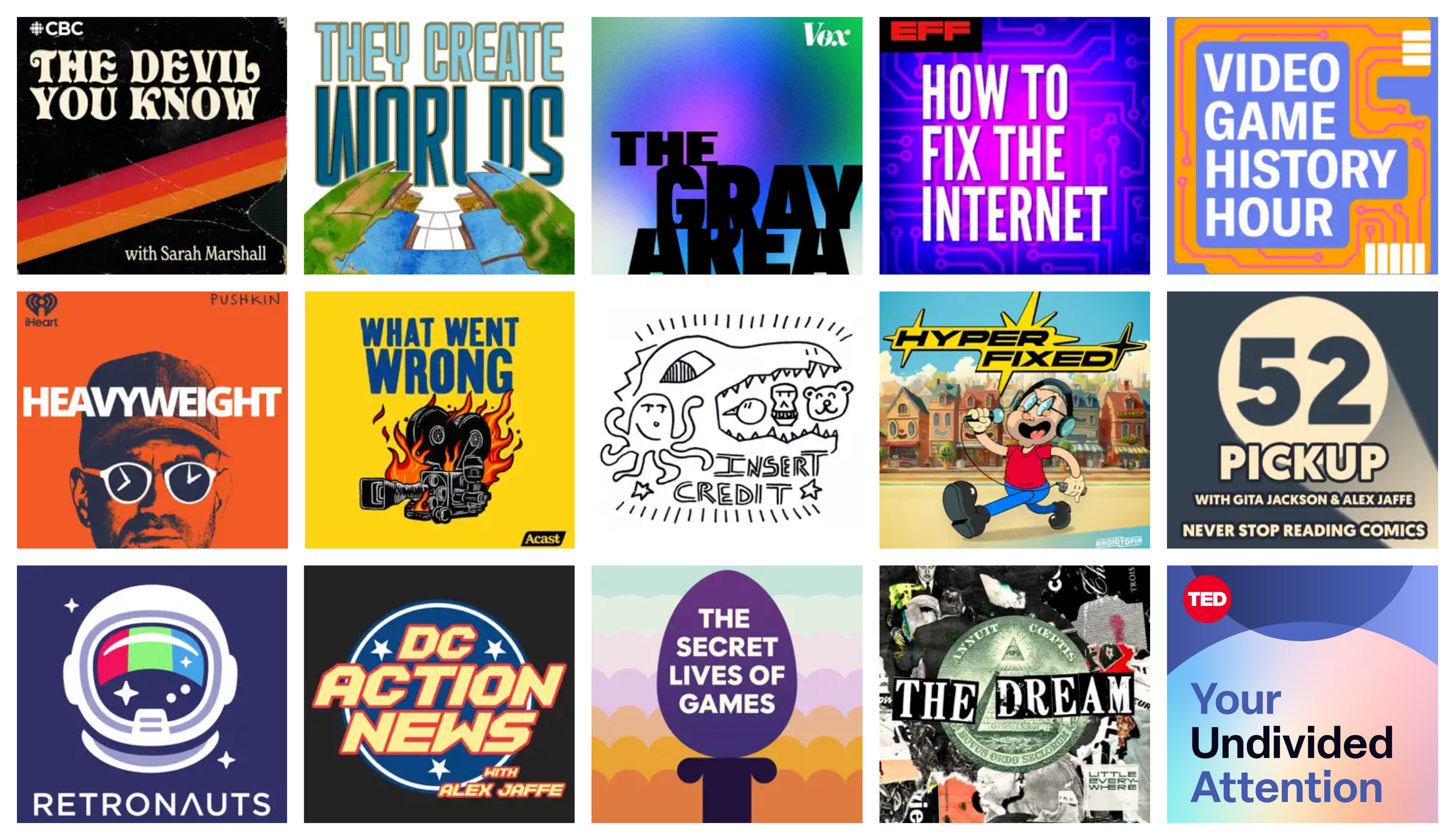
Luke’s Top 10 Podcasts - 2026 Edition
Way back in May 2021, we posted a Top 10 list of our favorite podcasts. And when I say “we” did this, I actually mean just me (Lucas). While both Kevin and I listen to podcasts regularly, the list was only my picks, made without any input from the other Kelleher Brothers. It was strictly a “Luke’s Top 10”. Well, since it’s been five years now, and the podcast landscape has changed quite a lot in that time, I have decided to roll out a new list of favorites.
In my first list, I tried to include podcasts on a broad range of topics and not get too stuck on suggesting programs about my own personal interests. It was a valiant effort, I suppose, but ultimately rather unnecessary. Because one’s choice in podcast listening is an incredibly individualized decision. There’s really no point in me recommending podcasts I enjoy less just because those programs might have a broader appeal. We simply like what we like. So this time I’ll just address it up front: these are my personal favorite podcasts and the subject matter will reflect my own specific interests. Meaning that most of them are going to be Video Game podcasts. Sorry, that’s just how it goes.
First up, here are a few honorable mentions that didn’t quite make the cut…
Honorable Mentions
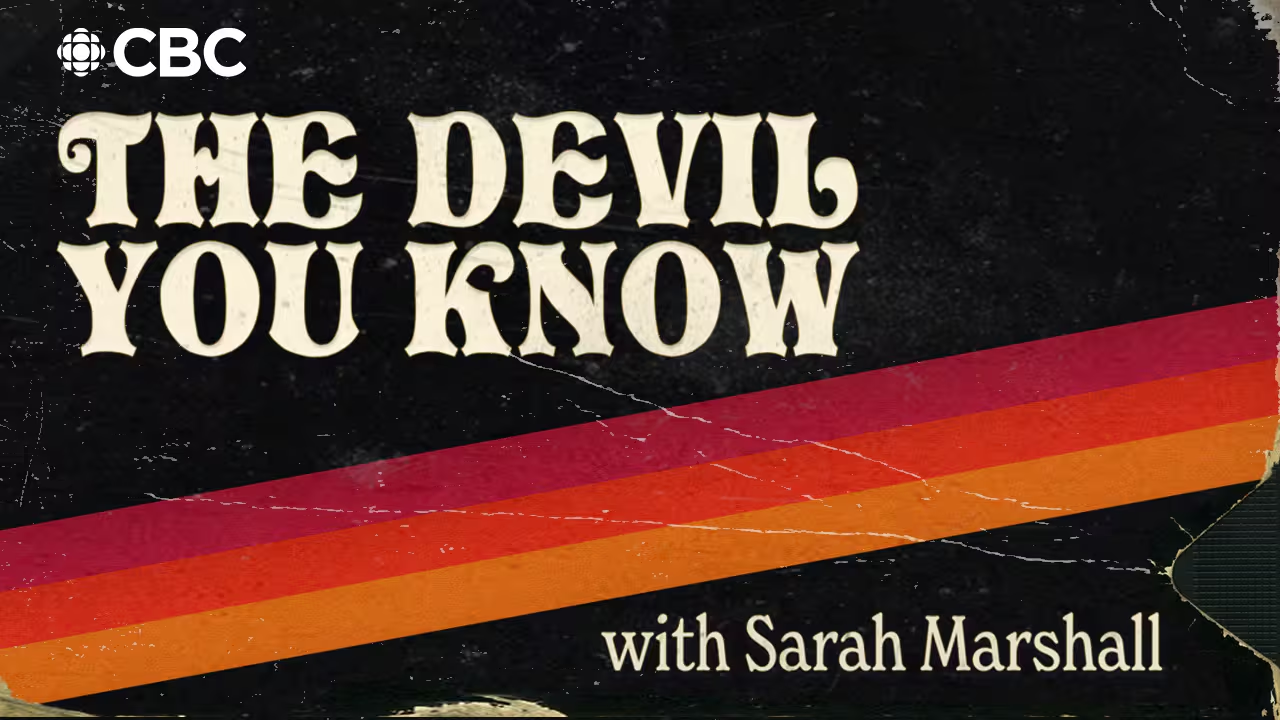
The newest podcast discovery to be included, this one nearly made it into the proper Top 10. The Devil You Know is an 8-part series from the CBC examining the Satanic Panic that took hold of North America in the 1980’s and 90’s. While I’ve seen this categorized as a True Crime podcast, I’d say it is more an effort of forensic investigative journalism. It’s a highly researched analysis of a truly bizarre phenomena, a deep dive into how superstition, paranoia, and run-of-the-mill fear of the unknown could come together to produce widespread delusion and mass hysteria. The final episode in particular was some truly spectacular radio and I won’t soon forget it.
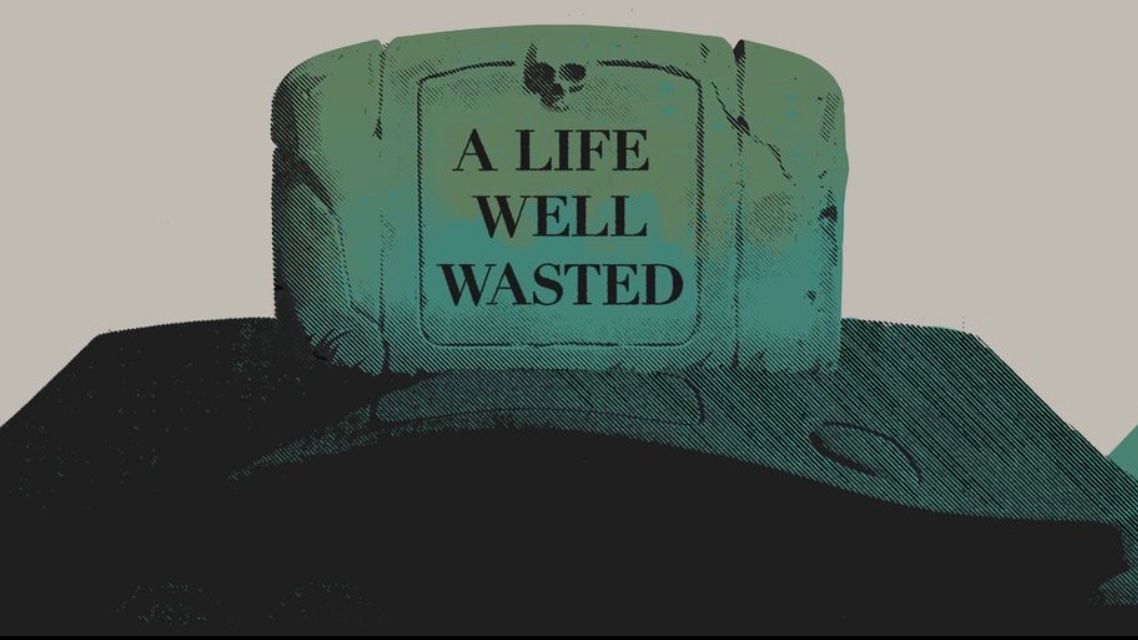
From Robert Ashley, A Life Well Wasted is a longform essay podcast about video games. The episodes are usually quite lengthy and well-produced, but new episodes are rarely released; no, I mean very rarely. Ashley has released nine episodes of this podcast in total and he started in 2009. It’s good stuff though…you know, when it appears.
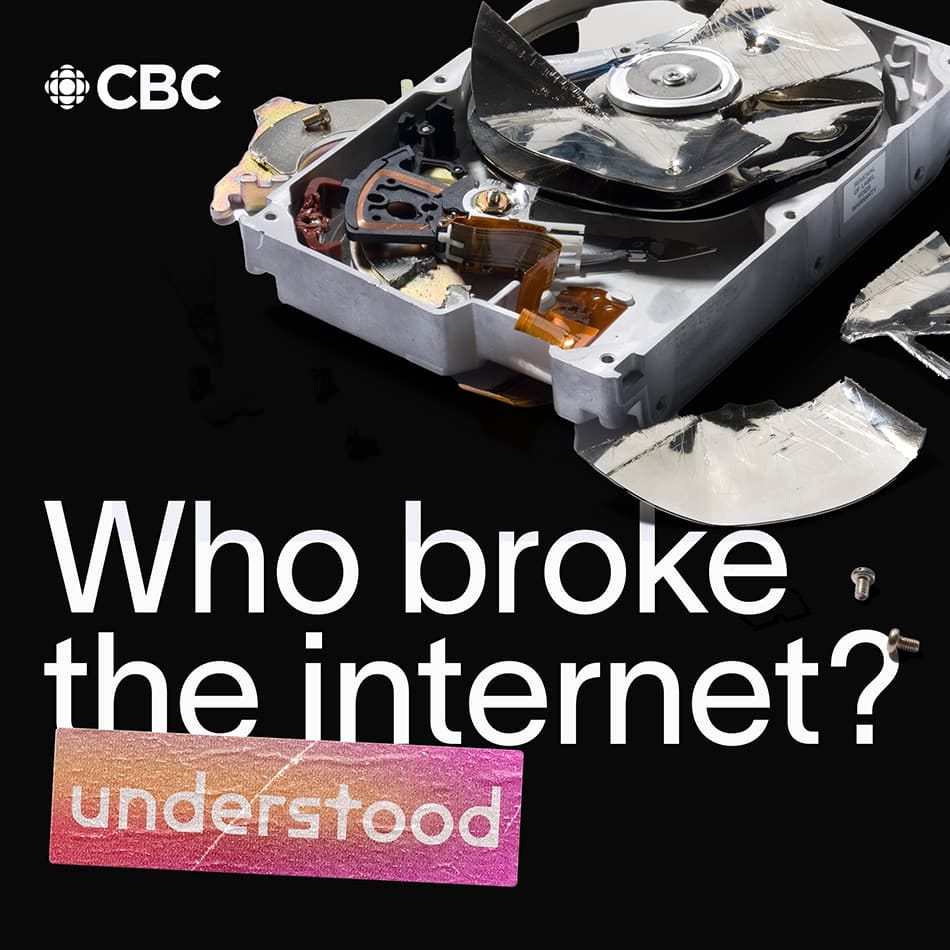
A four-part podcast about "enshittification" from the CBC program Understood, Who Broke the Internet? explains how the internet, and just Tech in general, has gotten so terrible over the past couple decades. Author Cory Doctorow delivers the history for this podcast, which ties nicely into his book on the topic, entitled Enshittification: Why Everything Suddenly Got Worse and What to Do About It. I also highly recommend the book as well, of course.
10. 52 Pickup
Coming from professional comic books expert Alex Jaffe and editor Esper Quinn, we have a podcast focused specifically on DC Comics. 52 Pickup is an Aftermath podcast produced by Gita Jackson and Alex Jaffe, where the dynamic duo cover the wildly ambitious crossover event comic 52. No, not the “New 52” that was released a few years later, but the original 52 comic…. Perhaps you’ve never heard of it. I know I hadn’t.
52 was a year-long comic series started in May 2006 that released one issue every week for 52 weeks straight. So the premise of 52 Pickup is that Alex and Gita discuss all elements of 52—its production, the cultural context of the time, the actual text and story of the comic book—by going through each issue chronologically. And that means they made at least 52 episodes of this podcast.
Since I grew up a Marvel Comics kid, I have much less familiarity with DC books, and I definitely didn’t know anything about 52. To this day, I’m still more interested in X-Men and Spider-Man stories than anything on the DC side. And yet, I happily listened to every episode of 52 Pickup. Not only is the story of this comic’s production quite bizarre, but Alex and Gita’s enthusiasm for the book is genuinely infectious. I particularly enjoyed how much Alex loves the character the Question. And how his appreciation of the Question drew him into DC Comic lore so powerfully that he’s now arguably the internet’s foremost expert on DC Comics.
Granted, there were a few places where Alex and Gita’s banter just went off the rails and completely lost me. Like when they were discussing which DC characters were Swifties and which ones were “Brats”. Obviously I’m far too old to be interested in such a topic, but that whole bit was just way too dumb to even passively listen to. Still, the quality of this podcast’s episodes is generally quite high overall and I definitely recommend giving the show a listen.

Alex Jaffe and Esper Quinn also made DC Action News, a 10-minute podcast where Jaffe reports on what is currently happening in the DC Comics universe in the style of a radio news program. Their slogan is “Reporting bravely and boldly…as the news breaks from the center of the multiverse.” It’s a great concept for a podcast and is genuinely funny in its execution, but it also seems like a huge amount of work to produce. Which probably explains why they haven’t released a new episode since October 2025. I assure you though, it’s a really fun listen. (Alex and Esper will both appear again later on in this list.)
9. Your Undivided Attention
In our last list, I called Your Undivided Attention the “single most important podcast you’re not listening to”, and I think that’s likely still true. From the Center for Humane Technology and hosted Tristan Harris and Aza Raskin, YUA started as an examination of how the Attention Economy was damaging our society, discussing in detail how “social media’s race for attention manipulates our choices, breaks down truth, and destabilizes our real-world communities”. They even made a film about these issues called The Social Dilemma, which came out on Netflix, won a slew of awards, and seems to have genuinely influenced the national conversation.
In recent years, YUA has pivoted a bit from outlining the societal ills caused by social media to exploring the promises and perils of Big Tech’s hottest trend, AI. While the capture of our attention was (and still is) a huge issue, they now see AI to be even more consequential. And it’s interesting to see the parallels in the types of problems posed by both technologies; corporate consolidation/wealth inequality fueled by warped financial incentives, a severe lack of any government regulation, and near religious faith in the tech to be beneficial to all. It’s almost like Capitalism is determined to kill us all eventually, one way or another.
But whether they are covering social media or AI, YUA is striving to make technology actually serve humanity, and not the other way around. It’s very compelling and thought-provoking radio, and I continue to tune in whenever a new episode drops.

Eerily similar to Your Undivided Attention is the podcast How to Fix the Internet from the Electronic Frontier Foundation (EFF). How to Fix the Internet is about not only exposing and articulating technology’s dystopian impact on our lives, but also about how we can act to build a better future. When everything seems quite bleak and I’m looking for hope—or even just some clever tactics to fight back—I often turn to this podcast.
8. The Secret Lives of Games

The Secret Lives of Games (formerly known as “Eggplant: The Secret Lives of Games”…and even more formerly known as “The Spelunky Showlike”) is a podcast about games and game development, made by a panel of game developers. As noted when we briefly mentioned this show in our last list, it features interviews with independent game creators that “dive deep into the art, craft, and process of making games”. And they don’t necessarily limit themselves to discussing only video games either, frequently dipping their toe into board games, word games, and escape rooms.
Having listened to this podcast intermittently since back in the day when it focused almost entirely on Spelunky, I have seen the program get better and better over time. The podcast really hit its stride when the game UFO 50 was released on PC. Starting in September 2024, TSLOG launched “A Year of UFO 50”, releasing a podcast every week that focused on a single game from the collection, and maintaining this schedule for an entire year. The team followed the fictional release chronology of UFOsoft, covering every game from Barbuta to Cyber Owls, and discussing each and every one with a handful of guest experts in a sort of bookclub style format. It was a truly incredible way to experience and appreciate the masterpiece that is UFO 50, and I definitely recommend giving the series a listen if you appreciate the game even a little bit.
After A Year of UFO 50, the TSLOG crew decided to embark on a similar year-long deep dive, this time exploring the work of developer Michael Brough. Called “All Systems Brough”, this new subseries would release its episodes monthly instead of weekly, allowing everyone a bit of much needed breathing room. Because this show continues to release regular episodes too, you know, interviews with game creators that dive deep into the art, craft, and process of making games. And they probably need time to sleep as well.
To make one critique of the TSLOG podcast, I personally find their definition of what qualifies as “a game” to be insanely broad. For example, some hosts have repeatedly referred to watching a game show as “playing” the show; as if the act of passively watching TV is itself a game. They even have a subseries called “TSLOG TV Plays De Mol” in which the panel watches the Belgian reality game show “De Mol” (“The Mole”). That’s just kind of nonsense.
I can understand wanting to cast a wide net when defining what constitutes a game, especially when you wouldn’t want to exclude anyone’s favorites. Are escape rooms games? Sure, there is definitely plenty of interaction and decision-making is involved. Are crossword puzzles games? Yeah, I’d say there’s a ruleset and a sense of challenge, working out the solution feels enough like a game. Is completing a jigsaw puzzle a game? Um…no, I don’t think that one counts. It’s fun and a nice diversion, but it doesn’t have any rules. Simply assembling a puzzle seems too rudimentary to qualify as an actual game.
Is watching TV a game? No, obviously not. Ok genius, but what if it’s a game show? (Chechmate.) NO, watching TV is not interactive, so it can’t be considered a game. (Sorry Blippo+!) Perhaps the people appearing on a TV game show are playing a game, granted, but watching someone else play a game is not a game in and of itself. If watching De Mol is a game played by its viewers, then watching the World Cup is also a game played by its global audience. And so is watching horses race at the track. Basically, this line of thinking only really works as a justification for sports betting, so I’m sorry I even tried to engage.
Overly broad definitions of “games” aside, I do really enjoy TSLOG and genuinely recommend it to everyone who appreciates interesting game design. And for anyone who plays UFO 50, you really have to check out those episodes.
While we’re discussing interviews with independent game creators, I have to mention the Playdate Podcast. When Panic released the Playdate in 2022, they also put out a podcast highlighting specific games and talking with their developers. Then in 2025, when a Playdate Season 2 was released, they put out a second series of episodes focused specifically on Season 2’s games. Panic’s own Christa Mrgan interviewed each title’s developer and discussed their process for making games for Playdate. If, like me, you love the little yellow handheld, then you will definitely enjoy this one.
7. Retronauts
The Retronauts podcast has been around so long, and put out so many episodes over the years, that I almost didn’t want to include them in this list. The choice just feels so obvious, it’s kind of boring. And sure, when it comes to a few of their hosts, the shtick is wearing a wee bit thin. But what can I say? I’m a creature of habit and I’m still listening to the show fairly regularly to this day. Plus, if I’m being honest, I usually enjoy it quite a lot.
If an episode has Jeremy Parish, Nadia Oxford, or Diamond Feit on it, I’m probably going to have a good time. The episodes hosted by Diamond which chronicled specific entries in the Street Fighter series have been especially fun, in my opinion. It’s also pretty interesting when they discuss a topic that is not a specific game title or series, but something video game-adjacent. There is a lot of retro out there that isn’t video games, after all.

When it comes to video game history, one of course has to mention the Video Game History Hour, the official podcast of the Video Game History Foundation. Hosted by VGHF Director Frank Cifaldi and/or VGHF Library Director Phil Salvador, the Video Game History Hour is usually an interview with an expert guest about a specific topic or story from video game history. It's generally a good time, and Frank Cifaldi will appear later on in this list.
6. The Dream
Season 1 of The Dream was about pyramid schemes, and it was one of the best podcasts I had ever heard. Season 2 investigated the world of wellness, and again, the way Jane Marie fearlessly exposed scammers and charlatans was truly incredible. Season 3 focused on the professional coaching industry—as in gurus and life coaches who claim they know “the secret” to success—and the podcast continued to shed light into one grift after another. In 2025, Jane Marie even published a book expanding on the podcast’s work called Selling the Dream: The Billion-Dollar Industry Bankrupting Americans.
For a while after its third season, the podcast was eerily quiet. Then Jane Marie came back with more episodes, transitioning The Dream into more of a weekly interview podcast.
Instead of whole seasons dedicated to one topic, the podcast now offers interviews with guests and dipping into a variety of topics. The broad focus of the show is still about revealing scams, debunking bad advice/junk science, and generally calling out bad actors. But episodes are now a bit lighter and far more frequent. While it’s certainly different, I appreciate getting more of one of my favorites.
Speaking of favorite podcasts that disappeared for a while but now have new episodes, did you hear that Heavyweight is back?! I think Heavyweight is some of the best radio ever, so I was super disappointed when Gimlet decided to make it a Spotify-exclusive. And then, after eight seasons of podcasting gold, Spotify/Gimlet took the extra step of cancelling Heavyweight altogether. What nice guys! Jonathan Goldstein and team have since found a new home with Puskin Industries and new episodes started releasing in April 2025.
5. The Gray Area
Last time around I called Ezra Klein “the single best interviewer working” and it’s fair to say his podcast remains a true heavy-hitter today. However, over the years I have found myself gravitating to another interview podcast and listening more frequently to that one. This more favored podcast is The Gray Area with Sean Illing, which ironically is what Ezra’s original podcast evolved into after he left Vox for the New York Times. So it would appear that the student has become the master.
What makes TGA so compelling is that its host, Sean Illing, is always looking at topics through the lens of philosophy. Instead of dry discussion of politics, Illing routinely goes deeper into the unquantifiable aspects of a topic, the more human elements, to find areas of ambiguity. The whole point of the show, after all, is to wrestle with contradictions and uncertainty, to reside in “the gray area” of any topic.
And Illing is just an excellent host for this kind of show. He’s charming and humble, but also extremely thoughtful and seemingly always well-prepared for each interview. While The Ezra Klein Show is ostensibly focused on politics and policy, TGA is more concerned with matters of philosophy and culture. And this means that TGA generally has more interesting guests discussing more varied and interesting topics.
Even when it comes to book recommendations—which used to be Ezra’s secret weapon—I feel like TGA has the edge. Oftentimes Sean is interviewing a book author, their book being the main topic of the conversation, and I find myself wanting to read it because the discussion is so interesting. Instead of getting a list of three book recommendations, the whole podcast episode can end up being a strong recommendation for a single book. And this is how I’ve found the majority of nonfiction (audio)books I’ve read/listened to lately.
Similarly good: The Ezra Klein Show
4. What Went Wrong
What Went Wrong is my favorite podcast. About movies. And how it's so hard to make them. Let alone a good one. Let. Alone. A… (Wow, I am severely overusing the fullstops here. Let me try to get back on track.)
Hosted by Lizzie Bassett and Chris Winterbauer, with music & editing by David Boman, each episode of What Went Wrong tackles a specific film and tells the often tumultuous tale of how that movie came to be made. Part of the WWW’s appeal is its charming and likeable hosts, who tend to be quite funny and just genuinely fun to listen to. Another part of the show’s appeal is how thoroughly researched it is. This is not just a couple of podcasters regurgitating details from a documentary they just watched. Or worse, two people waxing poetically about their personal experience with watching a movie and engaging with the discourse surrounding it at the time—that classic “two buddies discussing X” format which has dumbed down modern media in general. No, WWW puts heavy emphasis on researching its topics, doing their homework in order to provide a historically accurate take. And as a result, the podcast feels like one of the best researched shows on pop-culture you can find today.
In fact, there’s probably only one podcast I can think of that might do more thorough research than What Went Wrong and (spoiler alert) it’s coming up on this list.
Obviously if WWW covers a movie I really love (Back to the Future, The Godfather, Spider-Man: Into the Spiderverse), it’s going to make for a fun time diving back into that film’s history. But what’s really impressed me is how the podcast can cover a movie I don’t really care about—or perhaps I haven’t even seen before—and make a truly compelling episode about it. It’s been genuinely surprising to listen to an episode about The African Queen or All That Jazz and find myself really interested in the story. To the point that I feel that I really need to go watch those movies now.
In fact, the best way to enjoy this podcast is probably to watch the movie they are about to cover right before the next episode is released. That way the film can be fresh in your mind when they discuss all the minutia of its production. So yeah, What Went Wrong is almost certainly the best movie podcast you can listen to, fullstop.
3. Hyperfixed

When we posted the first version of this Top 10 list back in 2021, the No.1 spot went to Reply All. It was definitely my favorite at the time and the audio program I generally recommended to anyone looking for something new to listen to. In fact, I liked the podcast so much, I bought a Reply All hoodie with “Super Tech Support” emblazoned on the back. And I still wear that hoodie to this day…despite no longer working in technical support.
However, despite giving Reply All the top spot, much of what I said about the podcast in that post was largely negative. That was because Reply All was going through a scandalous shakeup in 2021, and the show’s future looked uncertain. Gone were the days of Alex Goldman tackling interesting technical questions and PJ Vogt annoying him for comedic effect. Their output slowed way down and just one year later the show was officially done. Game Over.
Flash forward to the present, however, and the spirit of Reply All is back. Alex Goldman has a new podcast called Hyperfixed where people write to him with problems or questions, and he tries his best to fix it, or to provide a satisfying answer. It’s basically like the “Super Tech Support” segments of Reply All—which were usually their best episodes of that podcast—without any of the less compelling elements. The show even has music by the mysterious Breakmaster Cylinder and by Alex himself, so it definitely carries on the vibe of his previous hit show.
In my opinion, Hyperfixed is basically a distilled, ideal version of Reply All. It’s got all the best bits of ye olde podcast, and this time it’s all killer, no filler. But if a new Alex Goldman podcast isn’t enough to satisfy you, there are a couple other options. Check out Emmanuel Dzotsi’s podcast Big Lives—which is good fun—and PJ Vogt’s podcast Search Engine—which is kinda meh—to fill that Reply All-sized hole in your listening heart. The Beatles may have broken up, but you can listen to their solo careers now.
2. They Create Worlds
The penultimate entry of our list is They Create Worlds, which for my money is the single best podcast on video game history. It was completely left off of our last list, which I assume is just because I hadn’t discovered it yet. Hosted by Jeffrey Daum and Alex Smith, each podcast episode is a deep dive into a specific topic of video game history. The program’s name comes from Alex’s book, They Create Worlds: The Story of the People and Companies That Shaped the Video Game Industry, Vol. I, which is available from CRC Press or at various online retailers.
What makes TCW so special is how highly researched every episode is, providing truly illuminating context to historical events. Alex Smith is a genuine historian and he goes to great lengths to ensure the highest level of accuracy in the histories he is recording. And it’s incredible how many sources Alex will turn to in order to get a complete picture on any particular person, company, or game series. This sometimes also means revisiting old topics to correct elements they might have gotten wrong in the past. Apparently there’s a saying that goes like, “For something that happened a while ago, history sure does seem to change a lot.”
Over the past few years, I'm confident I have listened to well over 100 hours of the TWC podcast. This is because each episode averages 90 minutes in length and they release a new episode on the 1st and 15th of the month, every month. In fact, they have not missed a single episode drop and maintained this two-week release schedule for over 10 years! (They started in September 2015.) That is genuinely insane.
What I’ve most enjoyed from TCW is stories of how famous designers first got started making games. Episodes about Gunpei Yokai, Eugene Jarvis, Will Wright, and Jordan Mechner were all really inspiring. Conversely, I have also found the in-depth reporting of business strategies, corporate restructurings, and other capitalist shenanigans to be surprisingly entertaining as well. Perhaps with enough context literally anything can make for a good story?
Of course, listening to Alex detail a thoroughly researched story from video game history is just oddly captivating—so relaxing, it's almost hypnotic. So any time I travel by plane, you can be sure that the audio playing in my earbuds is They Create Worlds. Truly, it is the only way to fly.
1. Insert Credit

Without a doubt, Insert Credit is my favorite podcast. It was ranked 8th in our previous Top 10 list, and that was mostly because I didn’t want the topic of video games to dominate. But this one was very nearly my favorite podcast back then and has only gotten better with time. I even sponsored an episode once, to promote our pun joke book, Legendary Puns.
As previously described, the Insert Credit Show is an open discussion of video game topics run almost like a gameshow. The host, Alex Jaffe, asks a series of questions to a panel of video game experts, and the show usually ends with a “lighting round” game of some sort. Points are dolled out to panelists for winning a game, or providing exceptionally good answers to a question, or for any other reason Jaffe makes up on the spot. The rules and points and such are basically up to the host’s discretion, since it’s all kind of made-up anyway. Also, they’ve come to call the acquired points “credits”, tying nicely into the titular credit theme.
When I first started listening, the standard lineup was a panel consisting of Brandon Sheffield, Frank Cifaldi, and Tim Rogers. Over time, Tim’s appearances would gradually become less frequent, so it would often be Jaffe asking questions to Brandon, Frank, and a guest. This was actually a positive development in my view, because—if I’m being honest—Mr. Rogers was usually the least appealing part of the show. And it wasn't that Tim was unknowledgeable about the video game industry, or had bad opinions on games or anything like that; on the contrary. It was more that his delivery, the way he expressed his views, could be harsh and rather grating. I think his style of commentary is much better suited to his loooooooongform video essays (seen on the Action Button YouTube channel) than a panel-based podcast.
It was when Tim eventually left the Insert Credit Show for good that the podcast was able to breathe a little easier and evolve. Then, when Ash Parrish joined the show as a regular panelist, Insert Credit really came into its own. It’s amazing how much more interesting a conversation can become if you include more voices than just like three middle-aged white guys. As a black woman who's a bit younger than her co-panelists, Ash brings a refreshing original perspective to the game topics at hand. Since she became a regular, the Insert Credit Show has been better than it ever was before.
Another boost for Insert Credit, the show’s editor Esper Quinn has started making more on-mic contributions lately, even hosting a couple episodes. Anytime Esper gets in on the action, you know it’s gonna be good. And I’ve mentioned this before, but Insert Credit has the best music of any podcast out there. Written by Kurt Feldman, all the tunes in this show are just pitch-perfect.
As it happens, Insert Credit is also my favorite internet forum. It’s probably the best place to go to for video game discussions online. So give the podcast a listen, check out the forum, and—if you’re the right kind of video game nerd—you’re absolutely gonna love it.
Wrapping Up…
In closing, I’d like to leave you with a troubling idea. It’s possible that you might be listening to podcasts far too much already.
Spoken audio programs like podcasts or audiobooks—even good old fashioned radio!—can be fun and worthwhile to engage with. But their modern ubiquity and ready access anywhere, anytime can be a double-edged sword. Sure, you can listen to podcasts while washing the dishes or mowing the lawn, while taking a leisurely walk in the park or commuting to work, while lifting weights or even playing video games. Being able to engage with spoken audio whilst doing another activity is kinda the format’s greatest strength. Overdo it, however, and your mind won’t get enough time to think its own thoughts.
See, your brain needs idle time. You need moments for quiet reflection. Time free from entertainment, free from yet more information input. If you fill every waking moment with the sound of someone else’s voice in your ears, you actually rob yourself of the chance to cognitively settle down. Time to daydream, to let your mind wander, and, you know, maybe be bored for a bit. Your mind will never get a moment of peace if it is constantly bombarded with stimuli.
So use your best judgement. If you’ve got a bunch of dishes to clean or laundry to fold, and you’d like to catch up on the latest episodes of your favorite podcasts, go for it.
But if the prospect of sitting in a doctor’s office waiting room without a podcast strikes you as being slightly terrifying, or you realize that you can’t fall asleep without a podcast playing in your ears, then you might have a real problem. In that case, you should probably dial it back, embrace moments of mental stillness, become reacquainted with boredom. Because boredom is more necessary than you think.