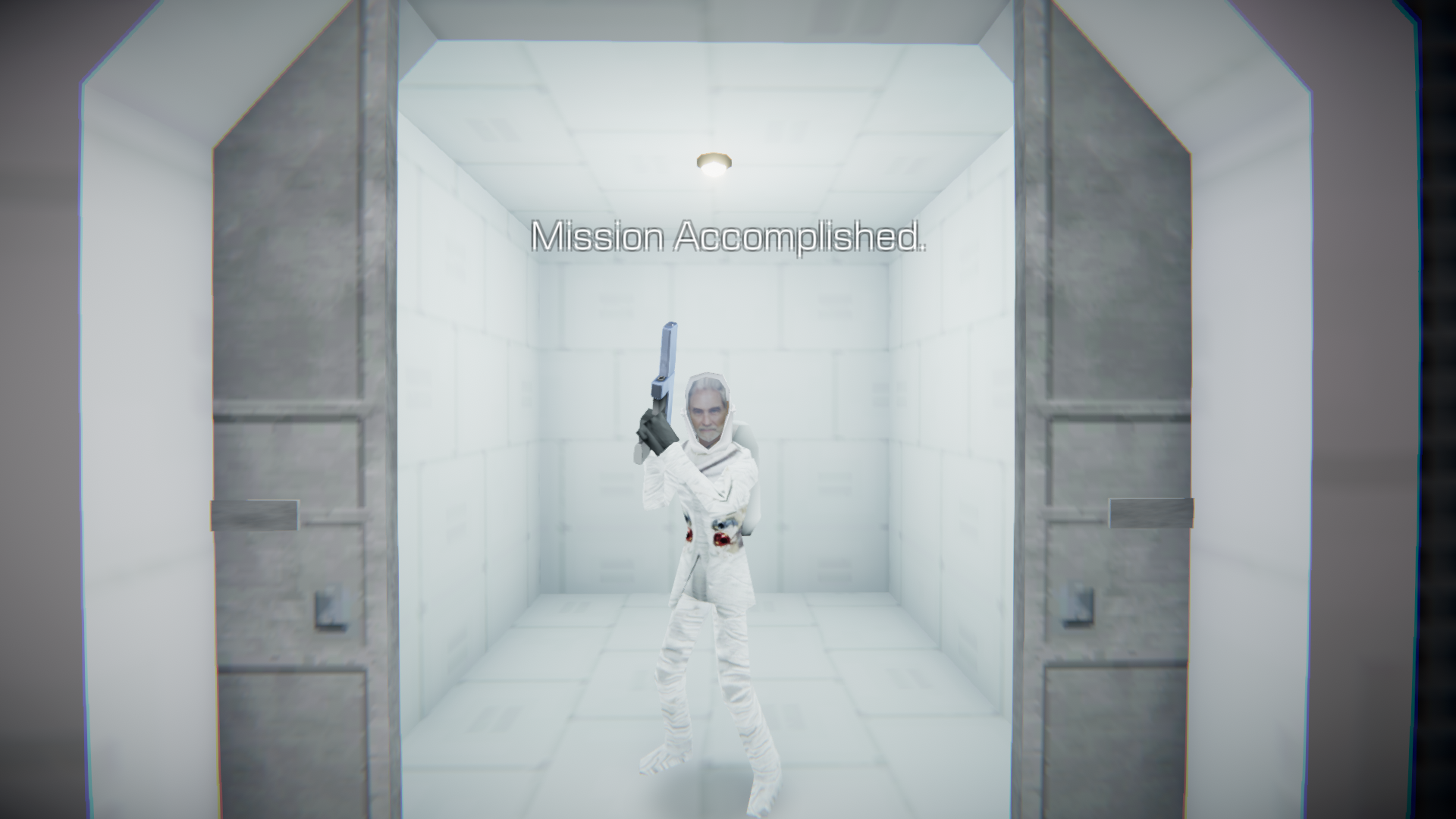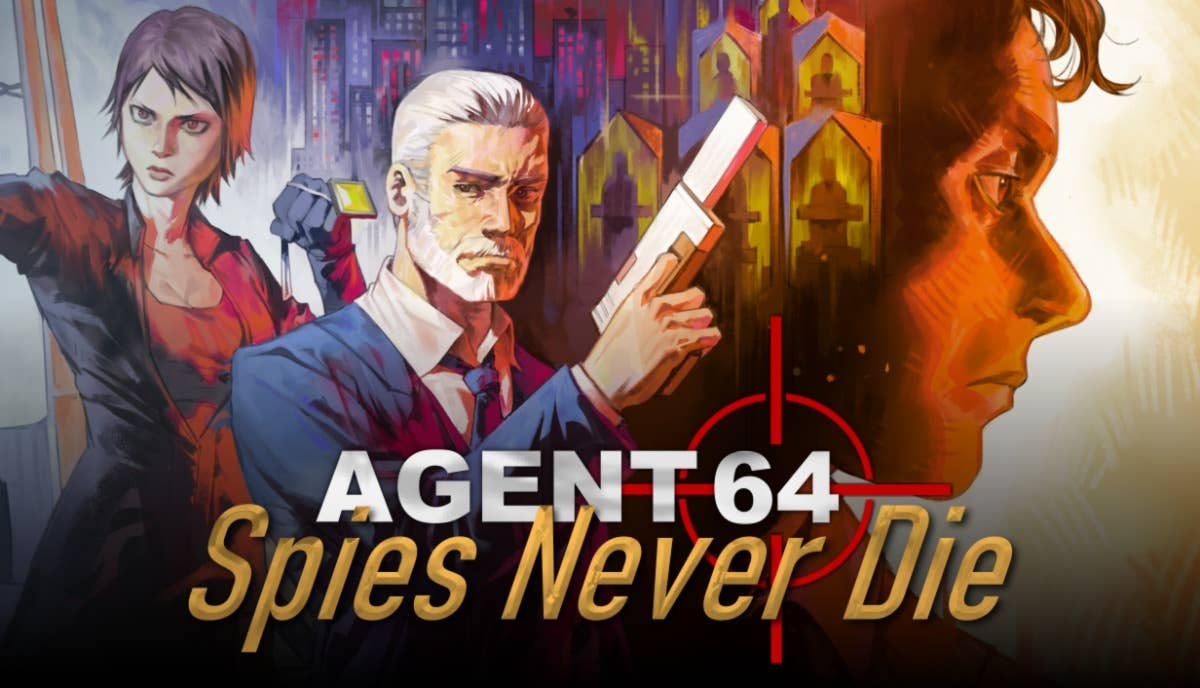
Agent 64: Spies Never Die review
Agent 64: Spies Never Die is an indie game I’ve been excited for awhile now, basically since I assembled my current PC. We even included it in an article titled Indie Games we’re excited for in 2023 a few years back. This game sat at the very top of my Steam wishlist for ages (especially after Earthblade was cancelled) and thus I bought it right away on Day1.
Agent 64 represents the fusion of GoldenEye 007 and Perfect Dark, not only in terms of gameplay, but also in its narrative and aesthetics. This definitely feels like a spiritual successor to Rare’s shooters on the N64. Although TimeSplitters was already the true successor to those games. Still, this has to be the most GoldenEye/Perfect Dark-coded commercial game release we are ever likely to see. Call it a tribute, an homage, a spiritual successor or whatever—Agent 64 is laser-focused on recapturing that N64 shooter magic.
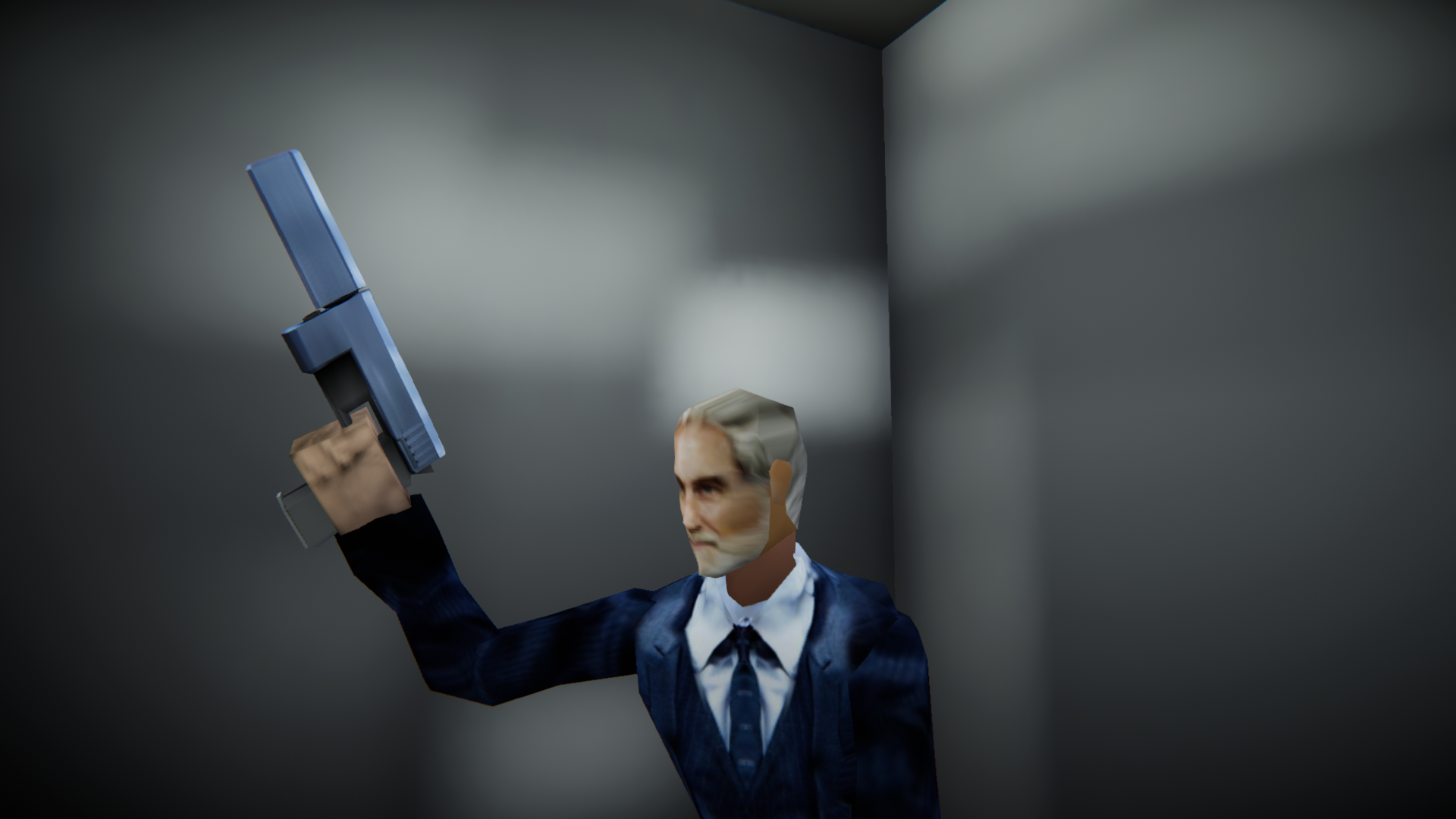
It was wild to learn that Agent 64 was the project of a solo game developer! The game design, programming, modeling, animations, level design, etc. all handled by one guy, with a second person credited for creating the music. That developer goes by the name Replicant D6. Now I really don’t know anything about who Replicant D6 is, except that he really likes Rare’s shooters. Whoever they are, this game feels like an astounding achievement to be made by just one guy.
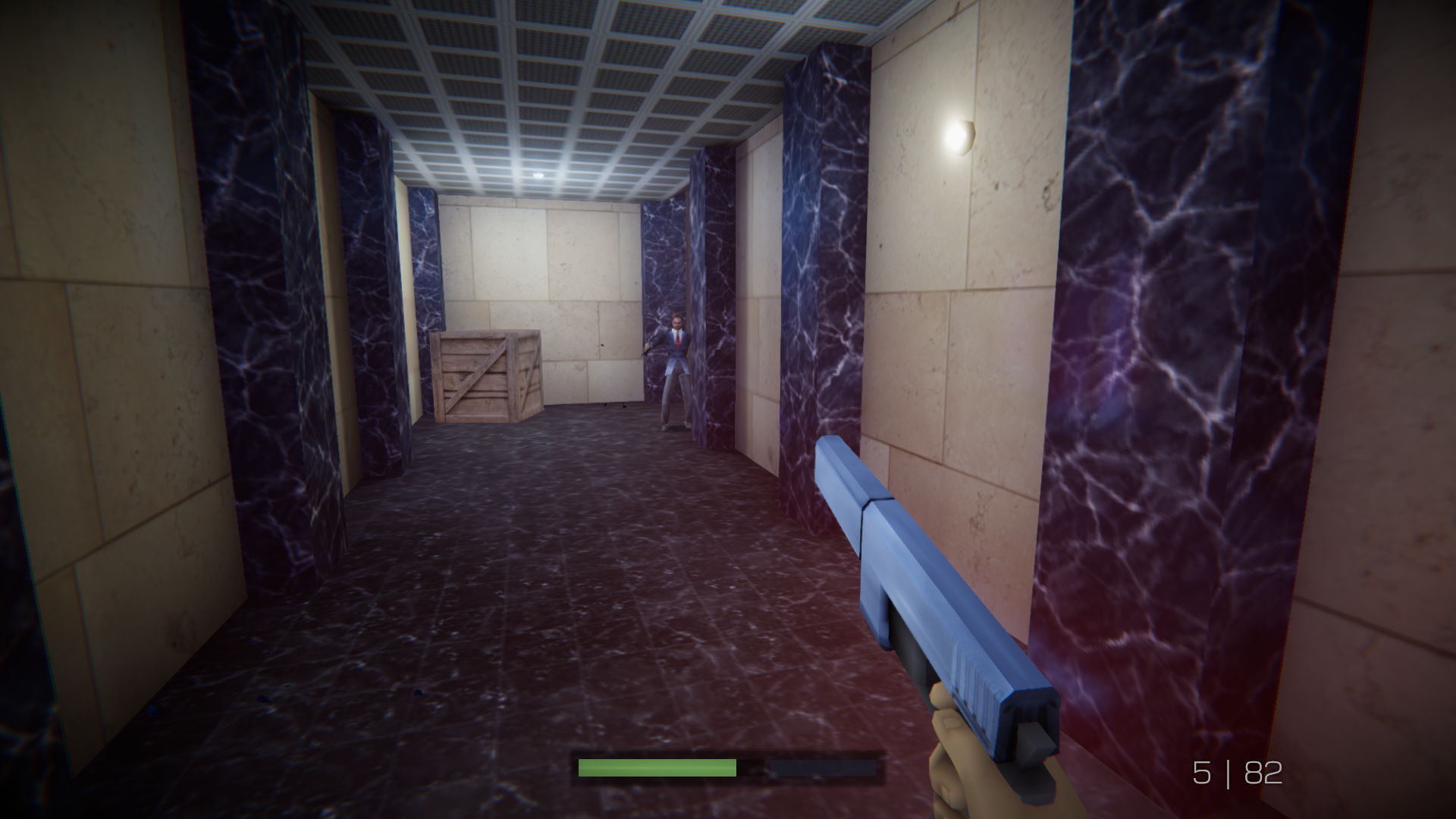
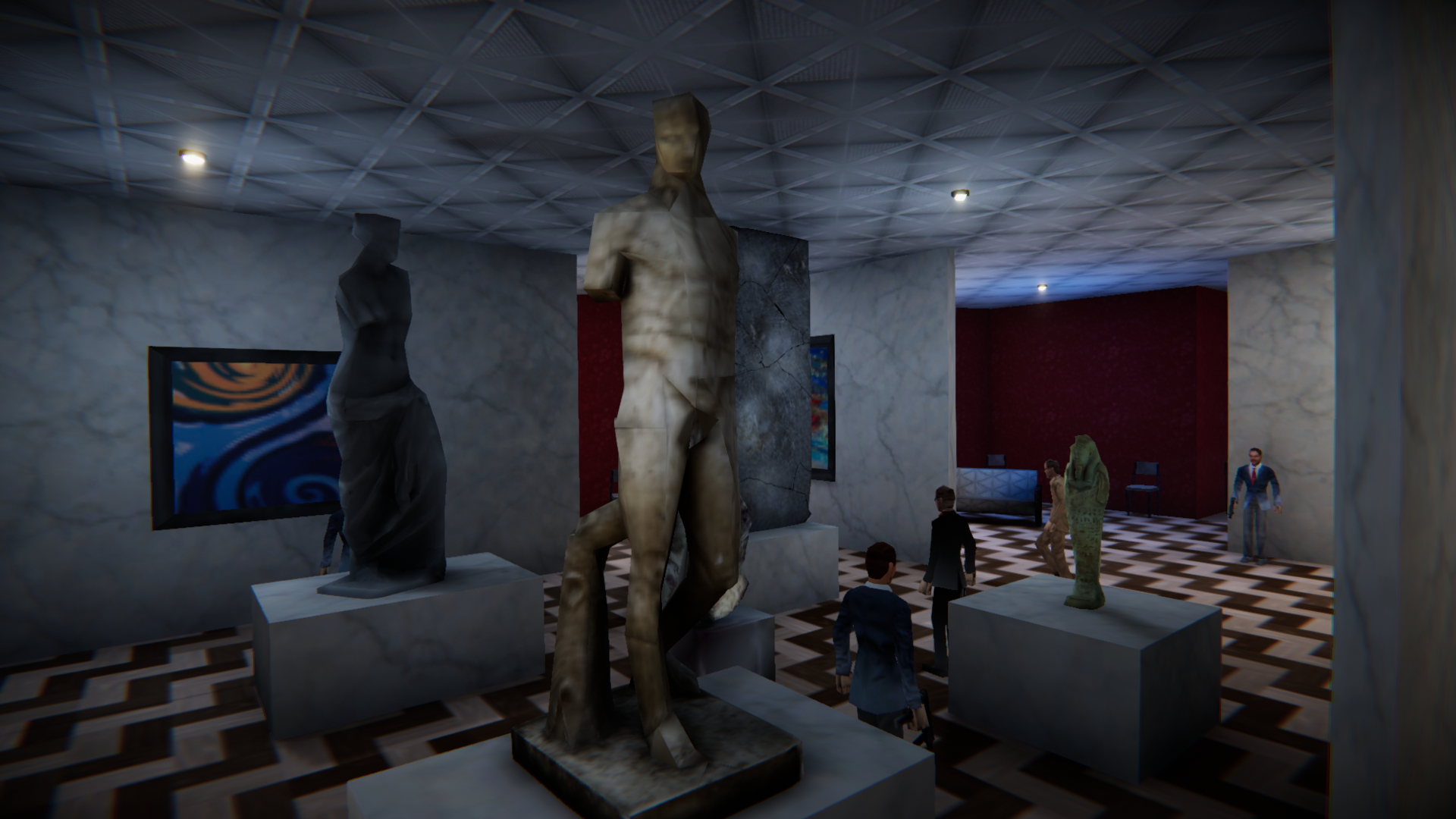
The N64 visual aesthetic accompanying the old-fashioned FPS gameplay is absolutely lovely. Some of the 3D models used for random objects or furniture do look a tad bit rough, but one might assume that’s intentional. I think some of the statues look particularly bad, almost like the model was a freebie from the asset store or something. However, even in the ugliest cases, everything fits into the game’s low-poly aesthetic quite well, you probably won’t mind. Heck, you likely won’t even notice…so I probably shouldn’t have said anything.
The music, credited to Dario Galizia, is quite good overall. Tunes generally harken back to the style of tracks you remember from GoldenEye, and some of them kind of got stuck in my head for awhile after playing. It’s funny how the intensity of the music will step up—or scale back—in relation to the in-game action. This ends up being a handy audio queue to let you know you’ve been spotted, in case you didn’t notice when that happened. The tune used for the Castle stage is eerily reminisce of the track “Clubbed to Death” off The Matrix soundtrack, a song I am always in favor of video game composers referencing. Obvious this music doesn’t rival the work of Grant Kirkhope; it’s more like this composer is doing an impression of Kirkhope’s style. But, you know, he does a pretty darn good impression.
In terms of story and narrative, Agent 64 puts the player in the shoes of secret agent John Walter, a spy who very much looks like James Bond if that character were allowed to grow old and grey. John is accompanied in multiple missions by his daughter Dana, who of course reminded me of Joanna Dark. The game’s plot doesn’t really matter as the game doesn’t take itself too seriously, but there’s a conspiracy to uncover, and a secret cloning program, and everything leads to a climactic shootout on the moon.
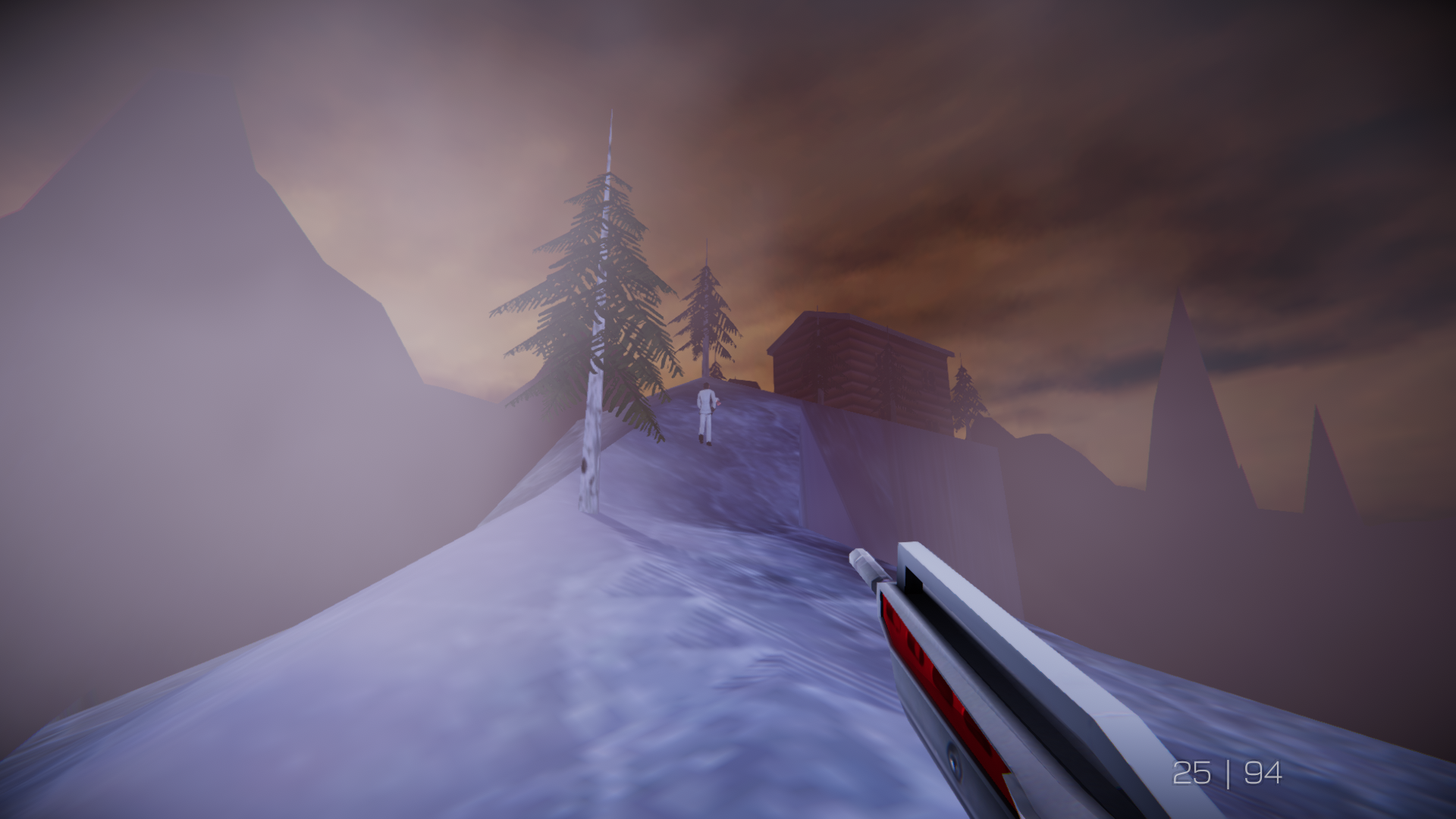
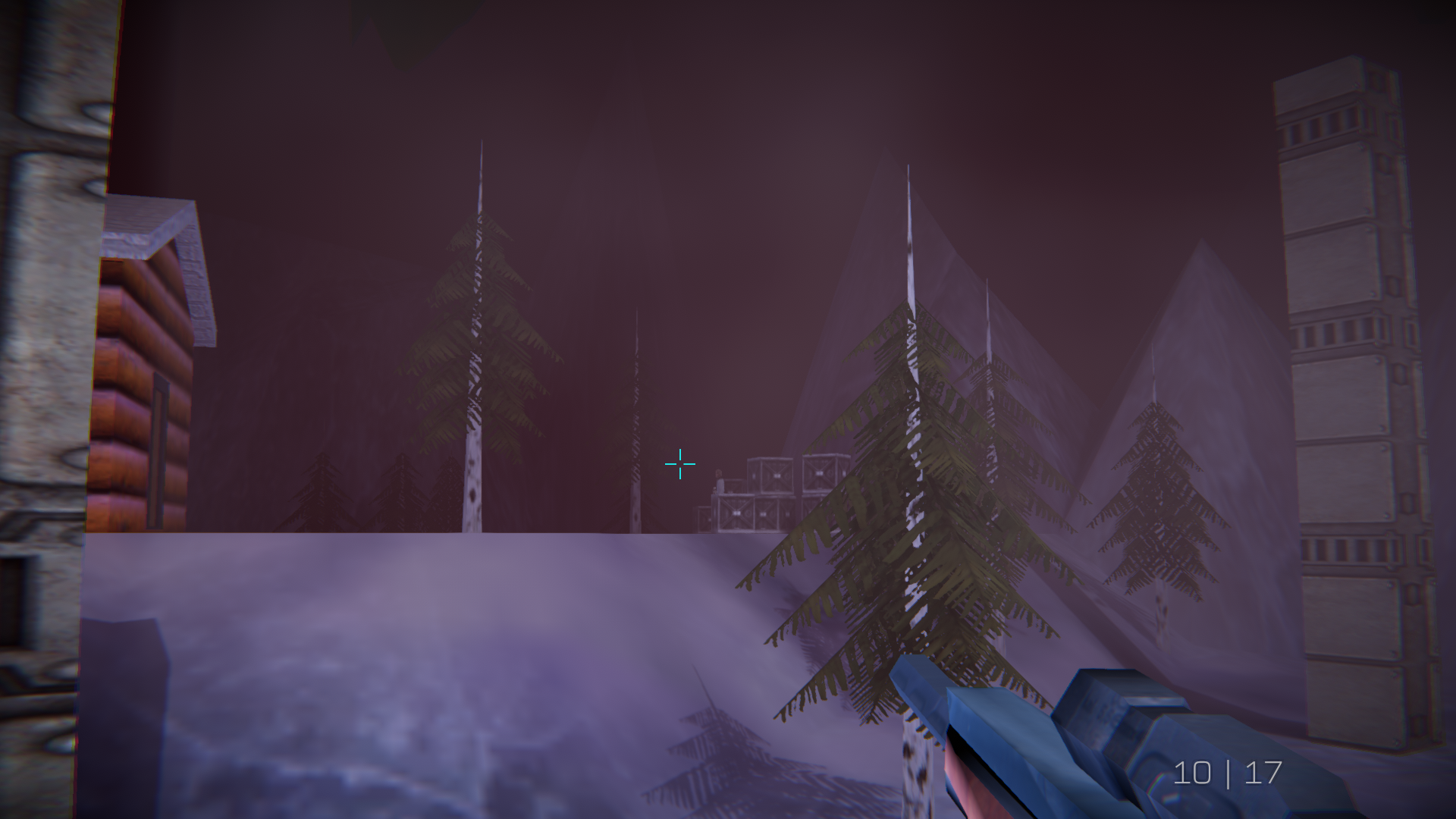
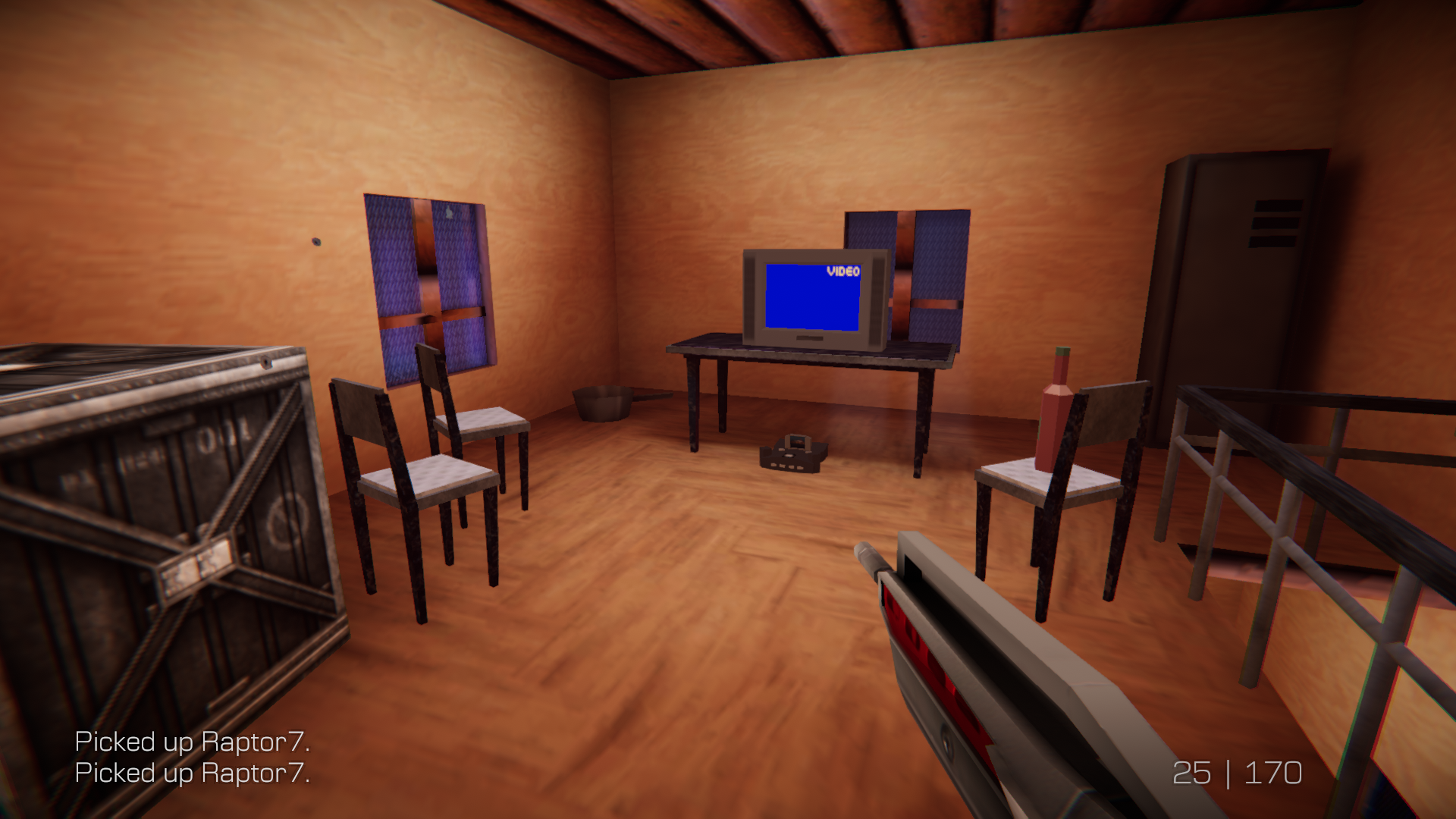
The story leans heavily into tongue-in-cheek humor and the dialogue contains a number of video game references. In fact, at the very start of the game, when a bunch of bad guys invade John’s home, our hero is shown to be playing GoldenEye on the N64. Later, in the snow base level where the sniper rifle is introduced, you can find a group of four guards holed up in a little cabin also playing N64. At one point, John calls Dana “the Master of Unlocking”. Even the name of the game’s villain, Dominic Pulp, is eventually revealed to be a setup for a pun on the term “Doom Clone”. (It’s a weak pun, sure, but I can still appreciate a long setup for a underwhelming punchline.)
Levels can be played on three difficulty levels: Agent, Special Agent, and 64 Agent, which will be extremely familiar to fans of Rare’s shooters on the N64. Levels are also separated into four acts, with each new act needing to be unlocked to access. Simply beating the first three levels does not unlock Act 2 automatically, you have to spend points called “cyphers” to do this. Completing a stage on Agent gets you one cypher, completing it on Secret Agent gets you to two cyphers, and completing in on 64 Agent—as you can guess—gets you three cyphers. Basically this system requires you to clear stages on more than the lowest difficulty setting in order to access all 14 levels. (Oh, and a 15th level gets teased as well. Apparently this will be a free update later.)
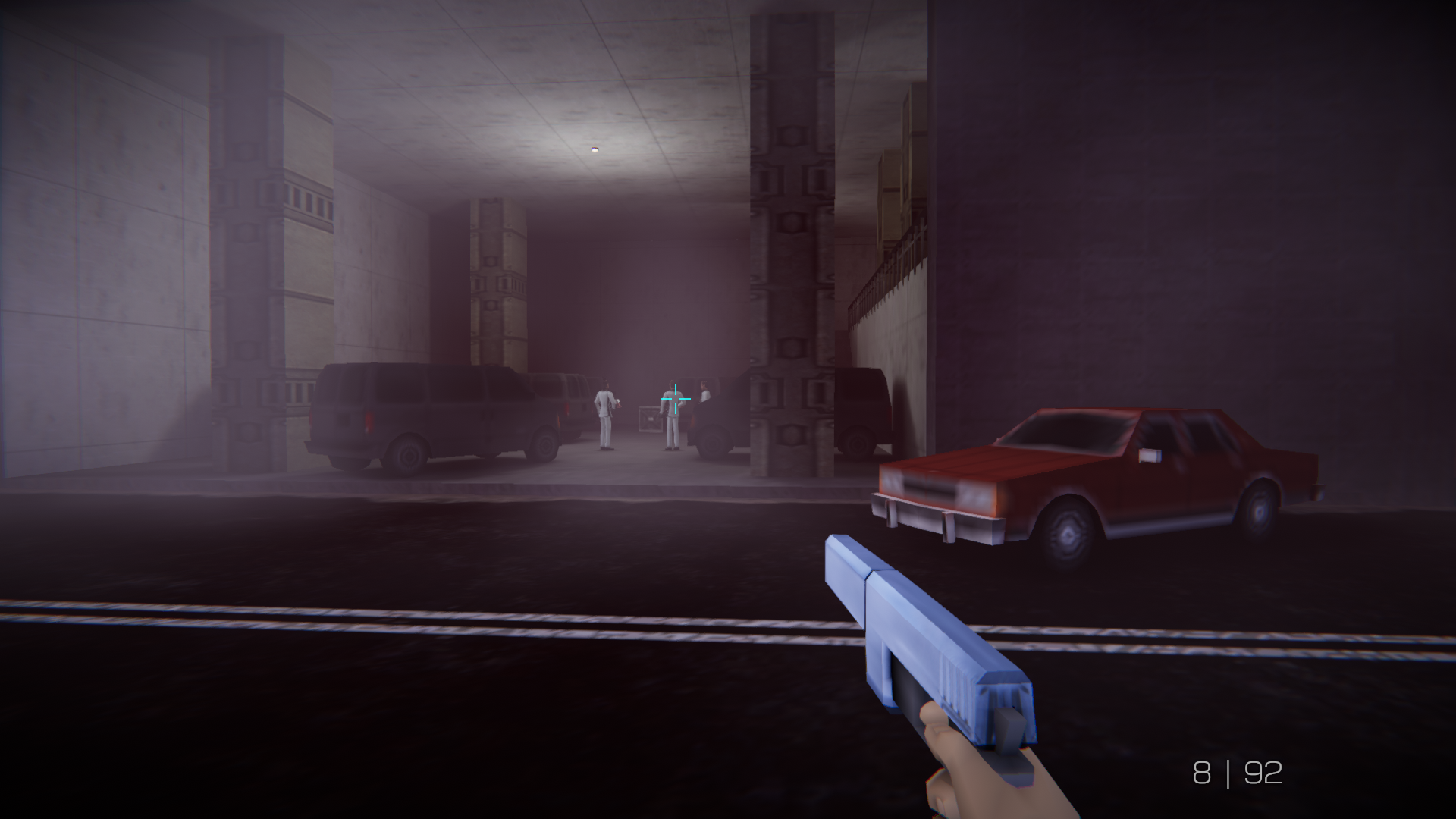
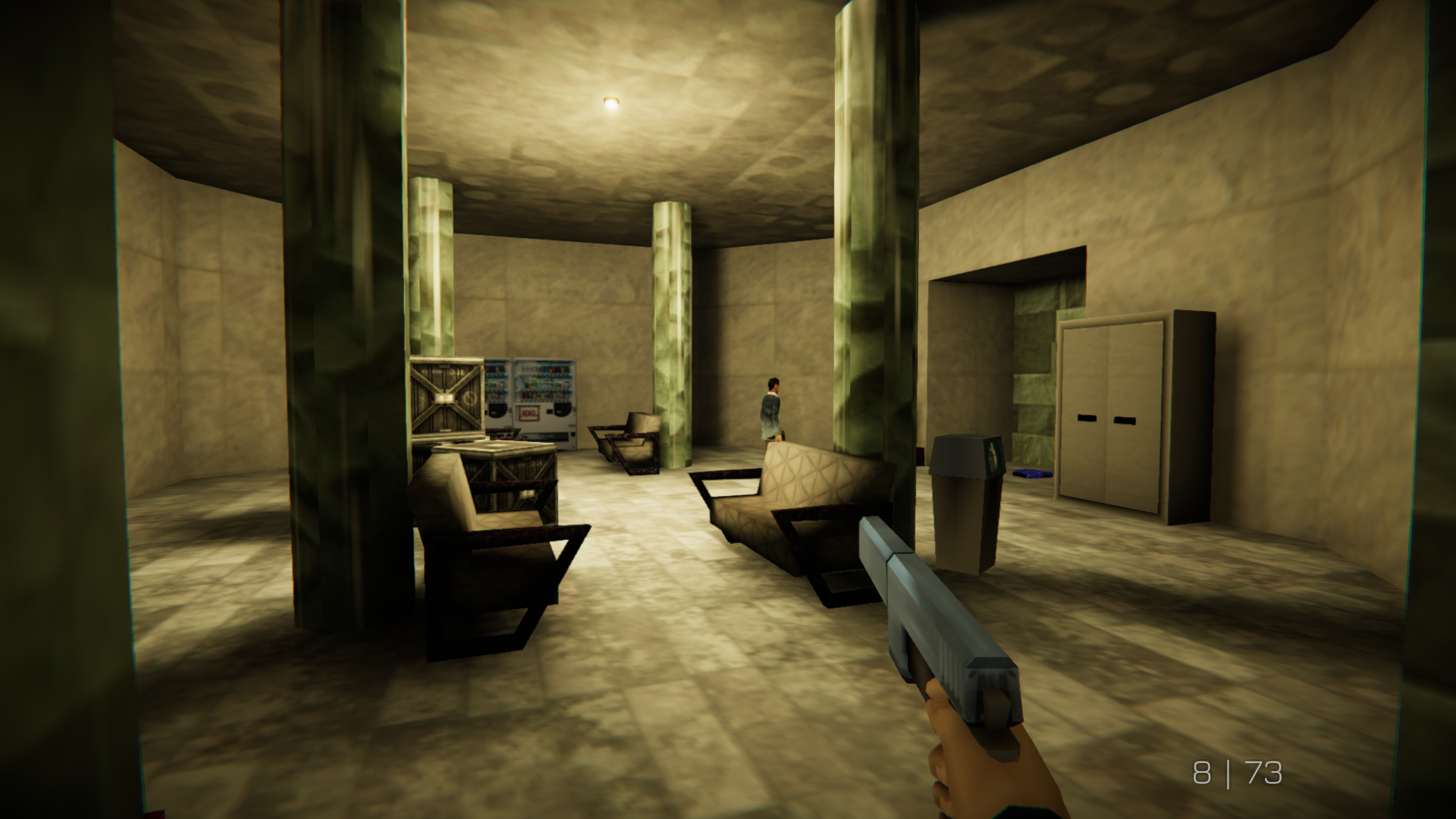
Much like with GoldenEye and Perfect Dark, the level designs often feel like practical locations, not just video game obstacle courses. You will occasionally come across side rooms or other areas on a level’s periphery that do not need to be accessed to complete the level. They are just there, another part of the environment. I really appreciate this type of level design, because it makes the world feel more real and convincingly lived in.
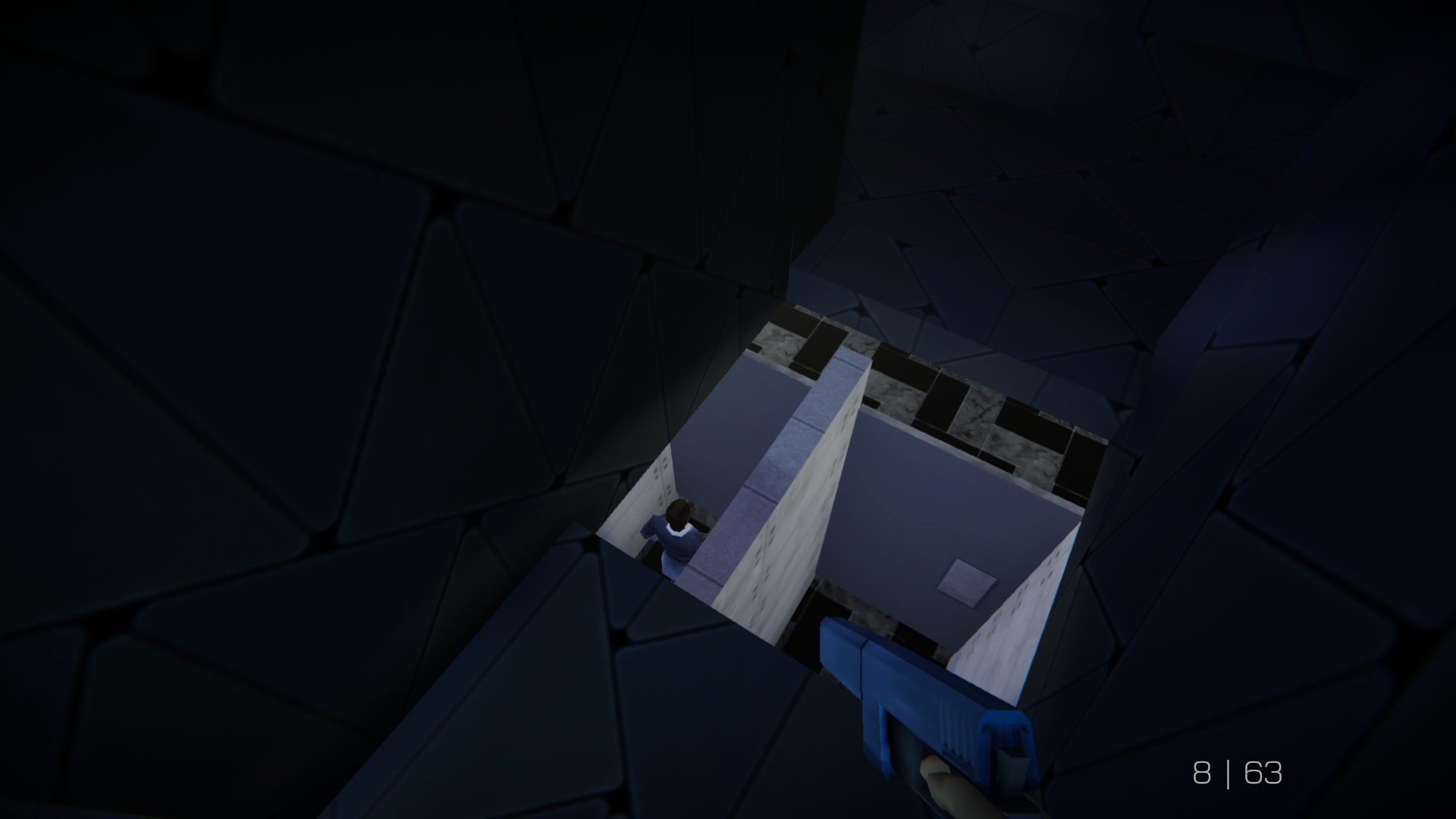
The first two levels especially feel like the opening of Perfect Dark, with a little bit of GoldenEye’s Facility mixed in together. There’s even a section that goes from the air vents to a men’s bathroom. Excellent. The third level takes place in a European castle, which kind of gave me Time Crisis vibes in places. The developer reuses this same level map later, having you progress through the same area but in reverse. The original Halo used this trick as well to get more mileage out of some select stage designs.
Fairly original scenarios play out in various levels, including the use of disguises on at least two separate occasions. The Museum stage, with its (initially) non-violent objectives and myriad of civilian NPCs, almost harkened back to the Mission: Impossible game on N64 for me. By the last set of levels, when the story really leans into sci-fi tropes, the game starts to feel more like a Perfect Dark game. And I really enjoyed the Temple stage, which really nailed the vibe of GoldenEye’s best multiplayer map.
The enemy AI throughout the story mode is delightfully dumb, and it definitely reminded me of how enemies would operate in GoldenEye. Their level of perception is usually not great, but they will definitely spot you and react if you move directly in front of the field of vision…at least at fairly close range. Enemy hearing is quite spotty and I’ve had moments where they don’t hear a gun being fired like 10 feet behind them. Perhaps their hearing is directional and they’ll only perceive a sound coming from the direction they are facing. Or maybe they don’t really hear sounds at all and are effectively deaf?
When enemies do spot you, they have a tendency to react to your presence before taking action. Sometimes they appear genuinely surprised and do a startled little shrug before aiming their gun at you. Other times they shake their fist at you first, performing a defiant “bring it on” gesture before opening fire. In any case, that moment of enemy expression gives the player a beat (or two) in order to shoot first. It’s a fun carryover from the olden days.
When enemies do shoot at you, they usually start spraying bullets wildly off target, but progressively adjust their aim until the shots might actually hit you. Just how badly off their swinging aim begins seems to depend on the difficulty level. What’s really cool though is that, thanks to their tracer rounds, you actually get a decent view of how their fire gradually homes in on your location. The bullets streaking by get closer and closer, giving you a visual indication that you need to shoot that guy right now…or at least move out of the way.
And with regards to enemies, occasionally these black-clad super guards—who with their trench coat and sunglasses garb look like knockoffs of The Matrix—will show up and they take an awful lot of shots to take down. These guys are bullet-sponges, absorbing multiple rounds before dying, even when you’re delivering multiple headshots with the sniper rifle. While this is particularly old school, and adds some challenging variety, I’m not a big fan of an enemy type being inexplicably difficult to kill like this. Headshots should immediately end the encounter, in my opinion. However, due to their general imperviousness, these guys do heighten the tension whenever they appear.
In terms of weaponry, there are a limited number of guns in the game. Considering everything was made by one person, that makes a lot of sense. Personally, I think the game’s arsenal is quite good, including everything you need and almost nothing else. The main pistol is great and I love that it often has a silencer attached. The submachine gun is appropriately inaccurate. The Raptor assault rifle is solid and obviously the best overall gun in the game. The shotgun packs a devastating punch, especially from close range. And the sniper rifle is exactly what I wanted. Oh…and there’s also a Tommy gun in here for some reason. Not sure why you’d include a Tommy gun, but it definitely reminds me of TimeSplitters.
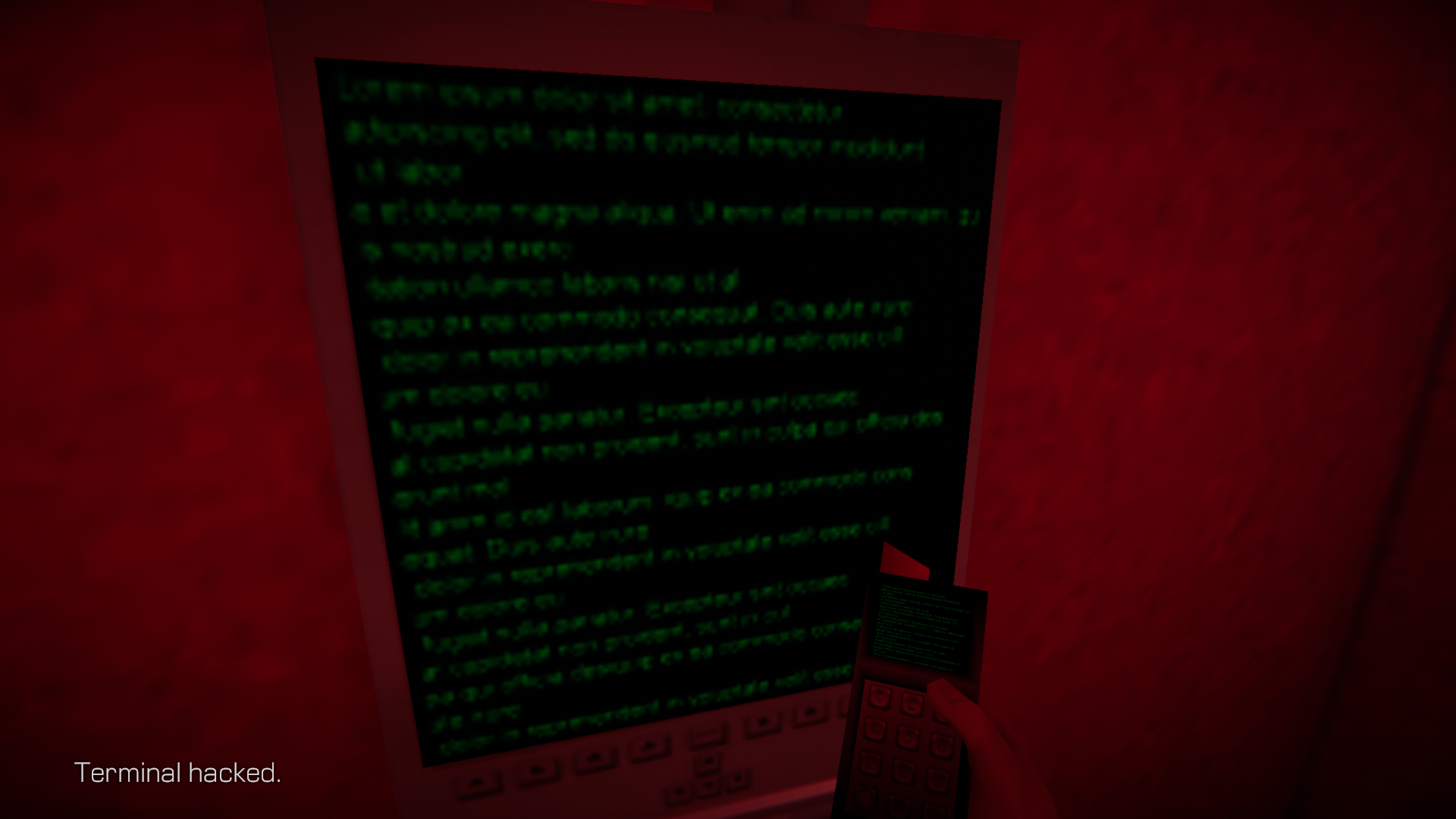
In addition to the Story mode (which can be played cooperatively!), Agent 64 also includes various Challenges for you to tackle. I forget if Perfect Dark had a challenge mode as well, but I definitely associate this with TimeSplitters 2. There is also a multiplayer Arena mode, of course, but I haven’t even tried playing this game with other people yet, so I can’t speak to it.
It’s interesting to consider Agent 64 in our currently nostalgia-crazed age of remakes and remasters, revivals and reboots. The big video game companies seem quite happy to sell us the same game over and over again; sometimes implementing quality-of-life improvements, sometimes bumping up the graphical fidelity, sometimes just porting a game essentially unchanged. We have seen so many classic games re-released as of late, with more big-name remakes on the horizon.
Case in point, Halo: Campaign Evolved was released just two weeks before Agent 64 came out. Campaign Evolved is a new remake of the original Halo. (I say ”new”, because this game had already been remastered in 2011 as Halo: Combat Evolved Anniversary.) So here is a full remake of one of the most beloved console shooters of all time, and its release coincides with this solo-developed tribute to the other (older) most beloved console shooters of all time. That’s some wildly specific competition.
Agent 64 is obviously drawing on nostalgia for Rare’s shooters, but due to trademarks and copyright and such, it’s required to be a legally distinct entity. It has to be its own thing; a new story, original characters, new levels and scenarios that we haven’t played before. Halo: Campaign Evolved, on the other hand, is just the first Halo yet again, reheated for a second time. Apparently it adds three new levels, which is nice, but this is still the same adventure we’ve all experienced before. It is quite literally retreading familiar ground, deja vu all over again.
It is genuinely bizarre that, when looking at these two hyper nostalgic first-person shooters hitting Steam at the same time, Agent 64 is the more original game. And with a price tag less than half the cost of its Halo competitor, it’s also the more economical option. Assuming PC players will only purchase one of these games in the near future—and given the economy, that seems more reasonable than ever—they get to choose between “familiar but new” and “the exact same but prettier”. I wonder what most players will decide. For me, the choice was rather easy.
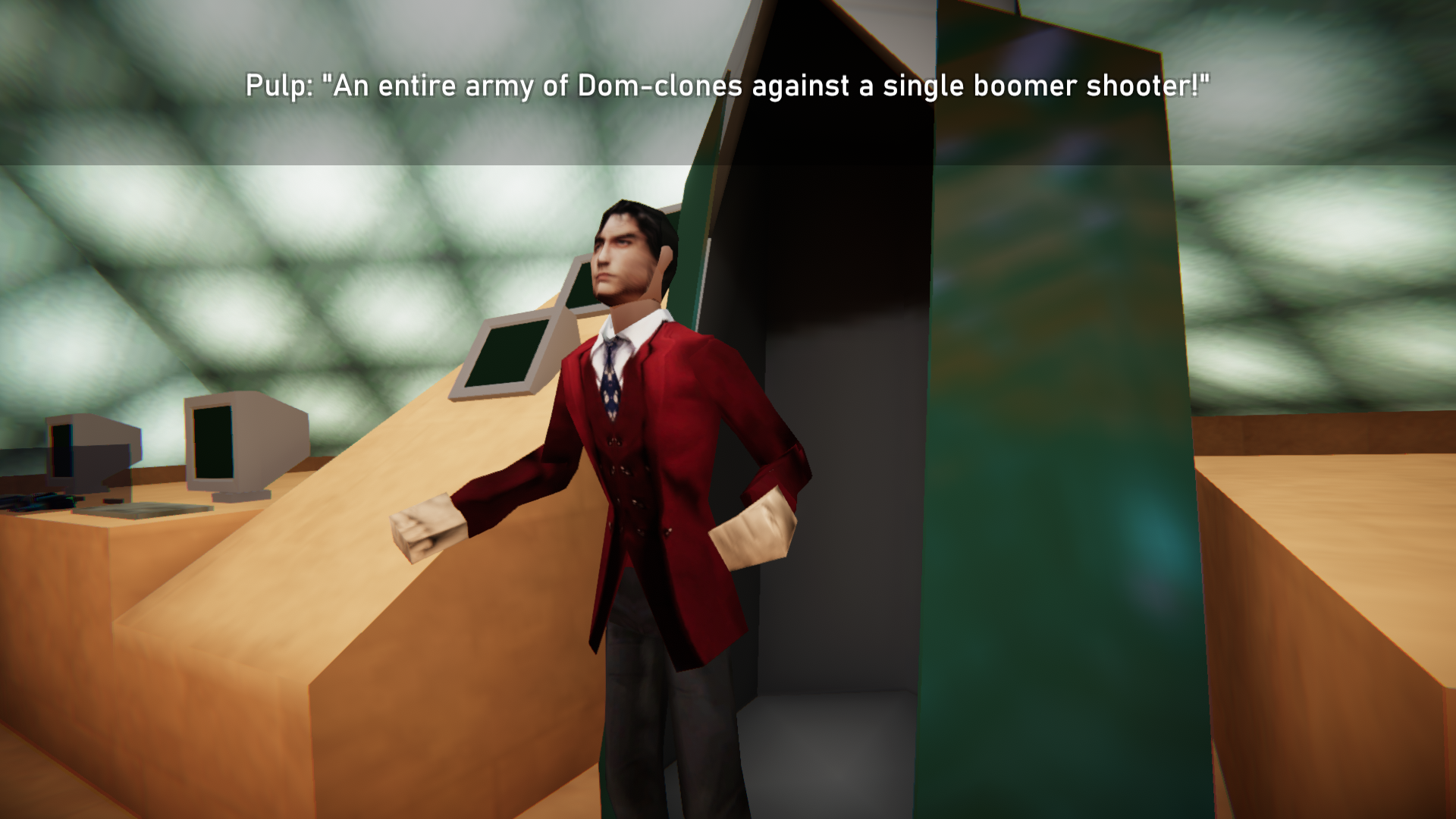
Agent 64: Spies Never Die is an example of a small indie game not only understanding the brief, but actually sticking the landing. Within two days of downloading the game, I had played for over 8 hours, completed the story mode (on Agent difficulty), and rolled credits. It’s been quite awhile since a game has hooked me right off the bat and so fully held my attention for the duration of its campaign, but this one definitely did. It’s basically everything I wanted from a GoldenEye/Perfect Dark revival.
While it’s a no AAA blockbuster, Agent 64 is an easy recommendation from me. Especially so if you’re a fan of shooters on the N64. And, let’s be honest, if you’re a video game enthusiast around 40 years old, then you probably are.