
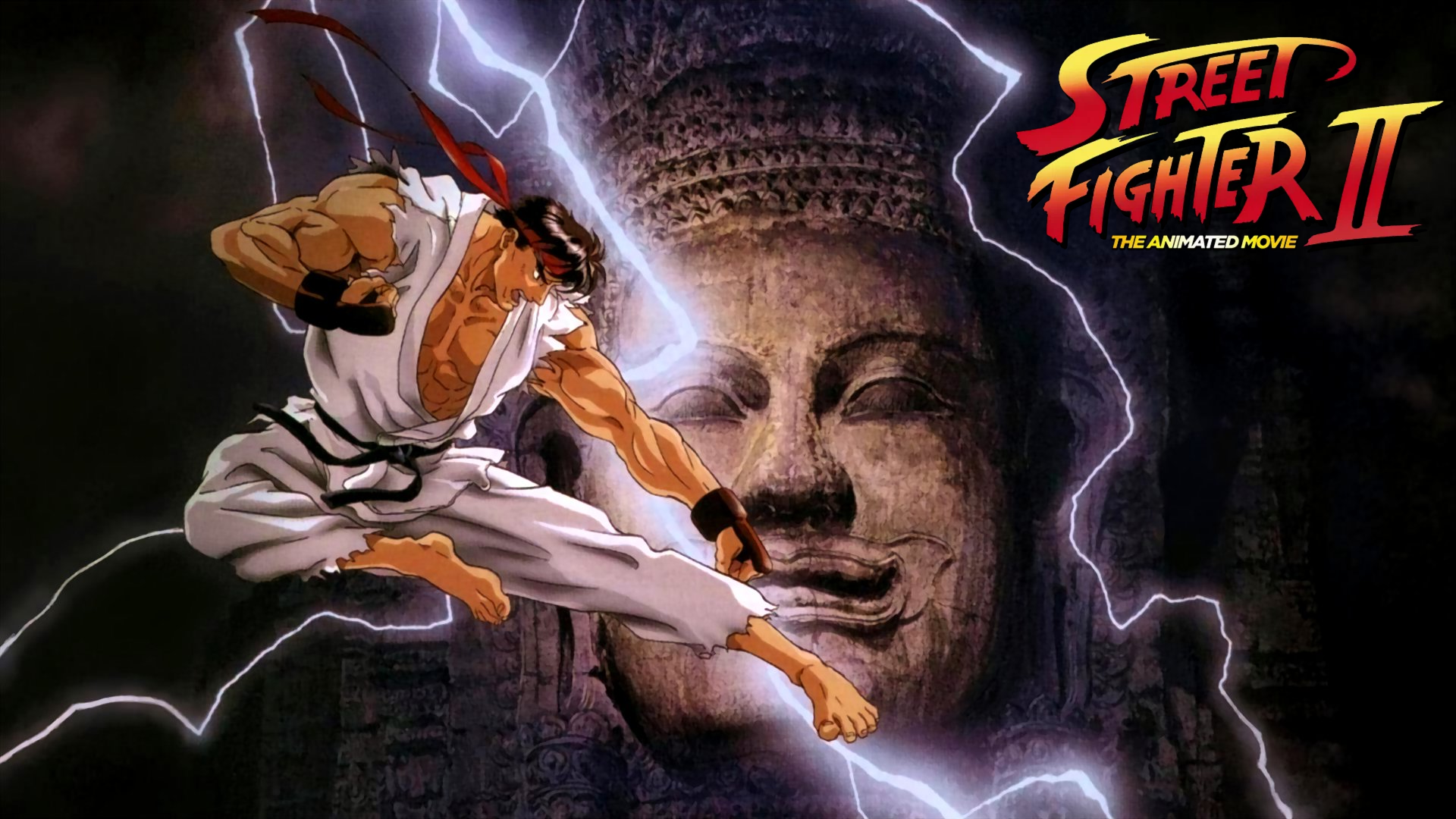
Street Fighter II: The Animated Movie review
Now THIS is the Street Fighter movie all the fighting game fans were waiting for! Released in Japan in August 1994, the same year as the live-action Street Fighter starring Jean-Claude Van Damme, Street Fighter II: The Animated Movie was clearly more interested in giving audiences a real Street Fighter movie experience. The anime’s writers still needed to flesh out the world of Street Fighter and craft a narrative that could spotlight each character from the SF2 roster, but they decided to stick closer to the source material than Hollywood’s live-action venture.
The writers didn’t choose to go with the “tournament of the world’s best martial artists” setup like one would expect. Instead, the story mostly revolves around the relationship between Ryu and Ken, and doesn’t waste much time on peripheral narratives. Crucially, this movie focuses on the two most important elements from the video game: 1) the iconic characters and 2) intense martial arts action. Basically, the anime delivers on the title with street fighters getting into street fights. And that seems like a wise decision.
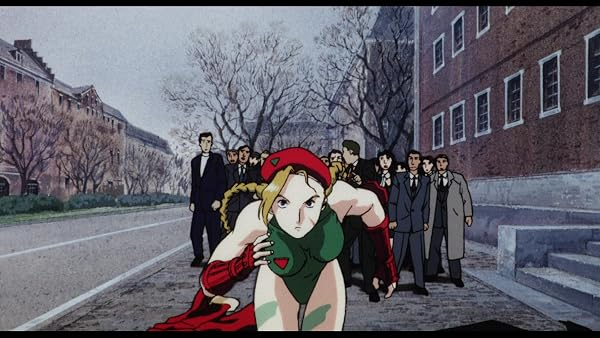
Regarding the iconic characters, SF2: The Animated Movie understood the assignment and truly nailed it. Every character is portrayed (more-or-less) exactly as they appear in Super Street Fighter II. No one in the roster is given a different outfit, or a less outlandish hairstyle, or swapped to a different ethnicity for some reason. These are the characters you know and love. I particularly appreciate the bold use of bright colors throughout the roster’s designs—the red of Ryu’s banana and Ken’s gi, the blue of Chun-Li’s qipao, the green of Blanka’s skin contrast against his orange hair—this makes all the characters pop in animation much the same way they did in gameplay.
The main exception to the anime’s consistent representations would be M. Bison. His body type in the movie is more squat and bulky than the slim-but-muscular dictator seen in SF2. Although his body had been altered, his military clothing remained unchanged. This new design for Bison, appropriately menacing as he was, would influence future depictions of the character, starting with Street Fighter Alpha (or SF Zero, in Japan). That game would adopt his new bulky build completely and he would even keep his cape on during fights.
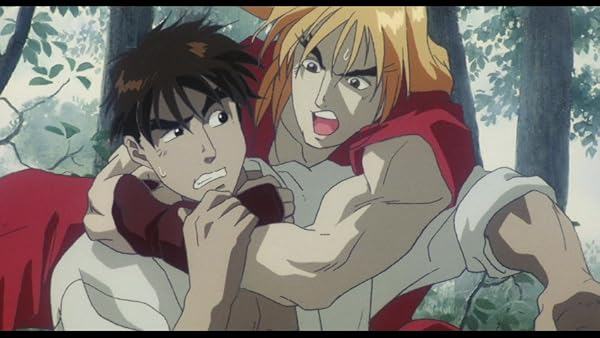
The SF Alpha/Zero series also used other depictions pulled directly from the movie, such as young Ken sporting a long ponytail, tied back with a red band. Similarly, Dhalsim’s physique in Alpha/Zero games was updated to look simultaneously emaciated and utterly jacked somehow—particularly in the shoulders—very much resembling his anime incarnation.
Other subtle visual elements introduced in this movie would work their way back into the games, such as Ryu carrying a duffel bag from fight to fight, Zangief entering the ring in a red cape, or Cammy briefly wearing her same overcoat from the anime. So this animation managed to not only represent SF2’s characters accurately, it actually expanded on the canonical visual language of Street Fighter overall.
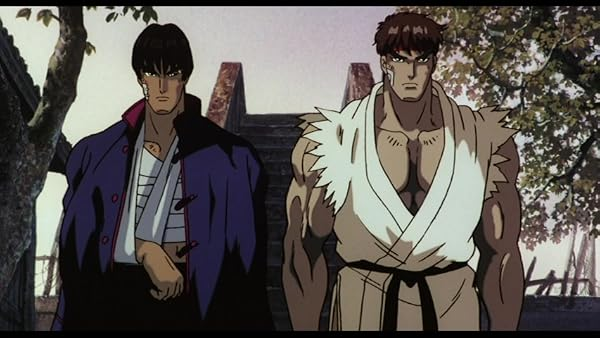
“What’s the Shadowlaw?”
The other way this film absolutely nails the atmosphere of the video game is by delivering incredibly satisfying fight scenes. The characters execute recognizable special moves we all know from the games, and the film makers actually managed to weave them into the action in a coherent way. The fight choreography in this movie tends to focus mainly on real martial arts techniques and semi-believable hand-to-hand combat. All the action is heightened beyond true realism of course, which is often what animation does best, but the end result is fight choreography that could arguably be performed in live-action. And in my opinion, it all looks amazing.
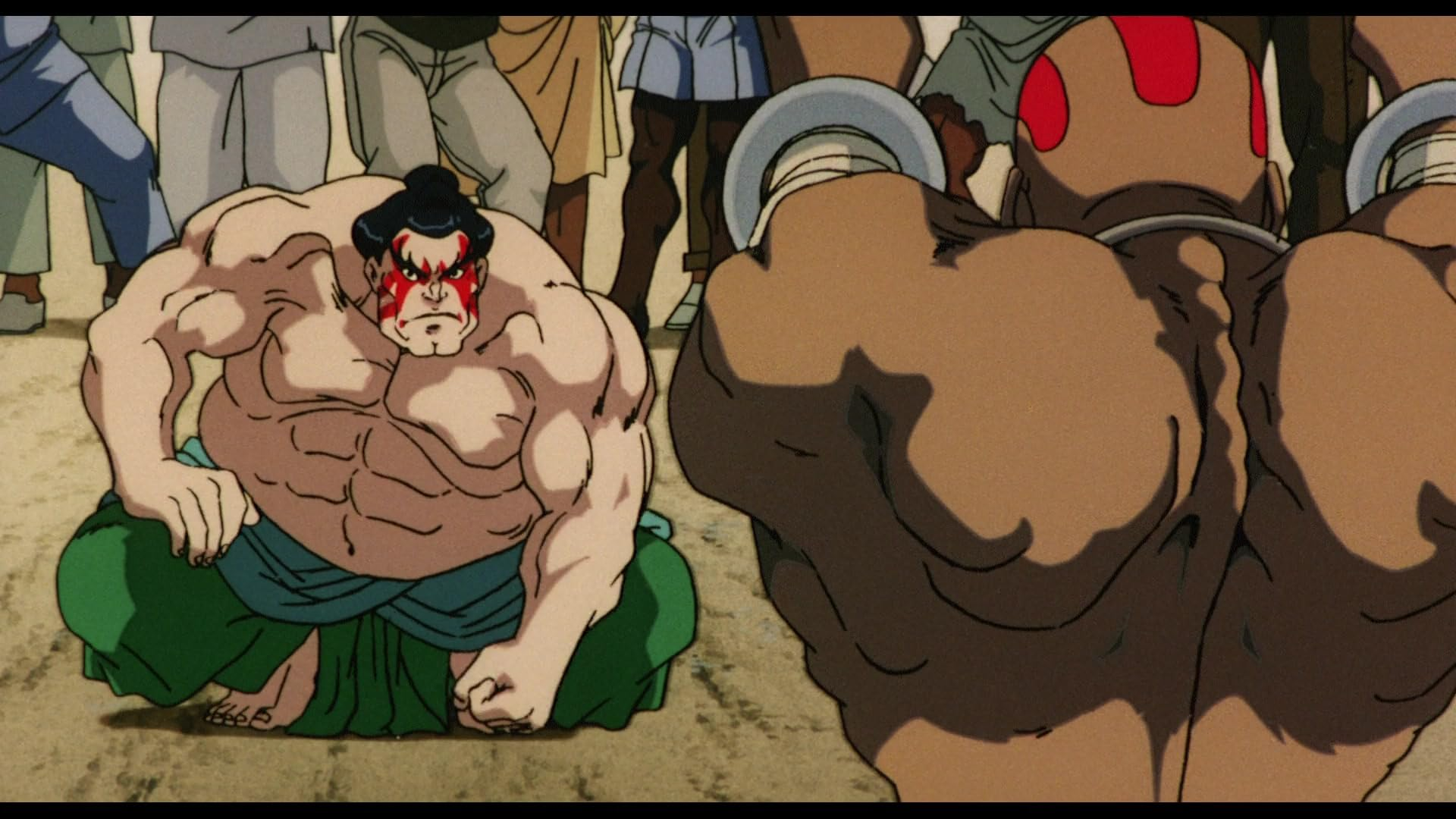
The standout fights in the movie, if you ask me, are Ryu vs Fei Long near the beginning of the film and Chun-Li vs Vega closer to the midpoint. Those two scenes look fantastic and genuinely elevate the movie to the next level. But the shorter match-ups are also fun to watch, like Dhalsim vs E. Honda or Blanka vs Zangief. Even the extra brief bursts of action—like Cammy assassinating a Defense Minister or Ryu taking down armed terrorists with his bare feet—are wildly entertaining.
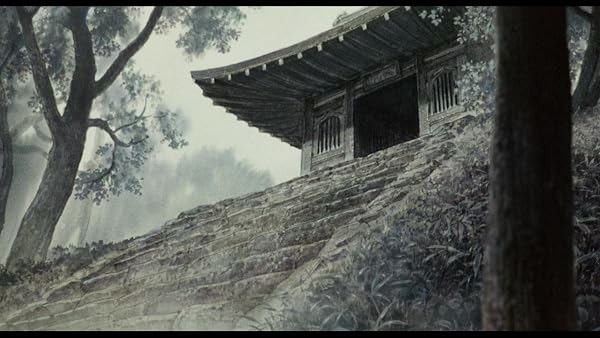
“What do you see beyond your fist…?”
Of course my absolute favorite scenes are the moments where Ryu or Ken remember their time training together in Japan. Anytime their sensei is talking I am enthralled. Ryu training in the middle of nowhere, or Ken driving down the highway, and then flashing back to moments of sparring together as teenagers; that’s the good stuff. The friendship and rivalry between Ryu and Ken is definitely the heart of this movie, and I feel that the film makers deftly conveyed the unconventional dynamic between these two men. The scene during the climatic battle where Ken has to meditate on his master’s teachings and find his focus in order to rejoin the fight is pure magic.
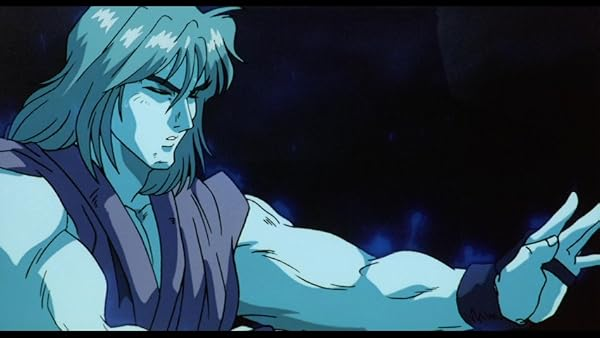
“Through strength, learn gentleness. Through gentleness, strength will prevail.”
One extremely interesting aspect of Street Fighter II: The Animated Movie is that it was pretty heavily altered for western release, especially on the audio side. Not only was the movie dubbed into English, but the entire soundtrack was replaced. Several alternate cuts of the movie were made that —in additional swapping out all the music—recorded multiple takes of various lines for different rating/obscenity levels. If that wasn’t enough, each western version also cut out various bits of footage from their release. Some of these cuts were to remove nudity from the Chun-Li shower scene, or shots of blood that might be deemed too violent for teens, but others were simply to shorten scenes containing lingering longshots in order to up the pace of the storytelling and reduce the movie’s runtime. The end result was that multiple cuts of the movie were released—the original Japanese version, the US PG-13 version, the US Unrated version, the UK Unrated version, etc.—and they all had slightly different line readings, various footage omissions, and total runtimes.
All that being said, as a staunch “subs before dubs” advocate, this is probably the only anime—or film or any kind—which I wholeheartedly recommend always watching the dubbed version. And this recommendation is mostly due to the western version’s soundtrack being clearly superior to the original Japanese version.
The Japanese score by Tetsuya Komuro and Yuji Toriyama is mostly synthesizer music that sets a decent mood in some places. However, it is generally rather sparse, leaning more into moments of silence or ambient environmental audio instead of music. There are some scenes where the background music sounds particularly cheesy, like something out of The Karate Kid trilogy from the 80’s. The anime’s J-Pop theme song "Itoshisa to Setsunasa to Kokoro Zuyosa to" by Ryōko Shinohara is fine in isolation, however, it strikes me as being far too cheery and borderline goofy for this movie; doubly so after hearing the western soundtrack. The only reason to listen to the Japanese soundtrack, in my opinion, is that the original music’s emotional resonance makes it very clear that Ryu and Ken are lovers. Outside of that one element though, the Japanese music just doesn’t fit the tone of the movie whatsoever.
This movie’s revamped western music makes for, unexpectedly, a truly killer soundtrack, and a significant improvement on the original Japanese music. Licensed music from Alice in Chains, KMFDM, Korn, Silverchair, “Mantra” by Intermix, “Hallucinations?” by In the Nursery, and more give the film a distinctly mid 90’s vibe, nicely placing the story at one particular moment in time. Even more impressive is the new instrumental score by Cory Lerios and John D'Andrea, which absolutely gives the movie an intensity and gravitas missing from the Japanese score. Ryu’s Meditation and Calcutta are particularly excellent, as are the background tracks for various fights throughout the film.
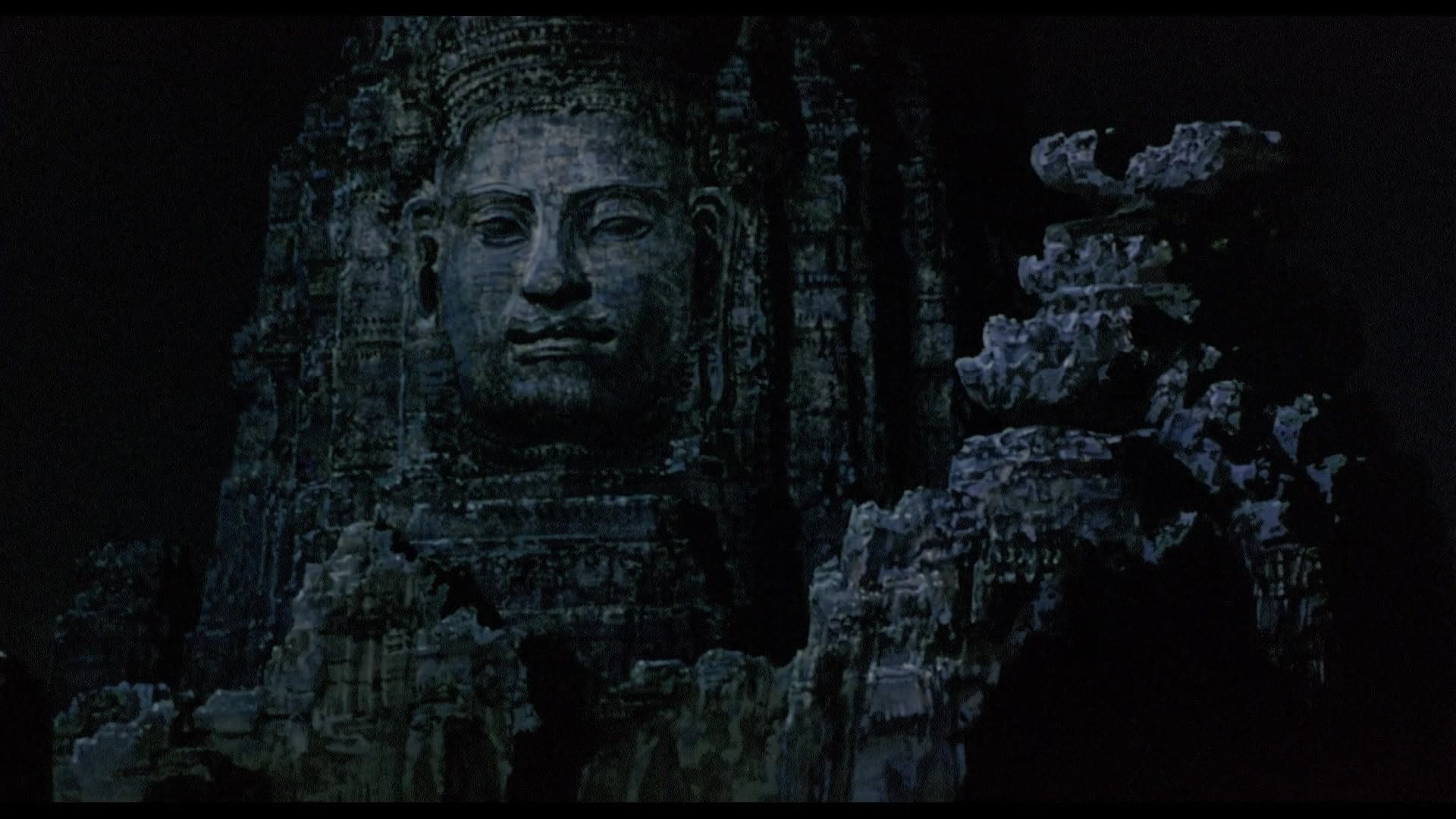
And in terms of English dubs for anime, this is actually some incredibly good work. Do some of the lines come off stilted and awkward? Sure. Are there some hilarious reads because they were trying to fit speech into previously existing lip animation? Of course! That’s the nature of dubbing, after all. In general, I think this is all pretty high-quality, and any places where the English voices don’t quite nail the bullseye just become more endearing to me over time. Mike and I have been referring to this movie and quoting its lines verbatim for years now, and it’s always been a joy.
Here are some of our favorites SF2 movie quotes:
“A visitor, here? Hmm…” - Guile
“Not bad, or was it just luck?” - Fei Long
“Have you ever felt the fighting spirit of another?” - Dhalsim
“Japanese fighters stick together. ‘Cause we're brothers! Hahahaha!” - E. Honda
“Are you man enough to check out my other abilities?” - Chun-Li
“What in the hell is that, the Tin Man on steroids?” - DeeJay
“You can just chill, I made the preparations myself.” - Balrog
“You worthless pile of excrement.” - M. Bison
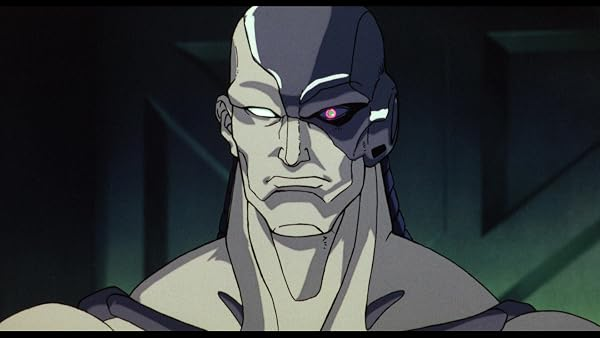
Monitor Cyborgs: The movie’s weirdest, wildest inclusion.
Street Fighter II: The Animated Movie is an example of a video game film adaption taking the source material seriously. This is often overlooked and, in my opinion, doesn’t get enough attention in discussions of how/why video game movies succeed or fail.
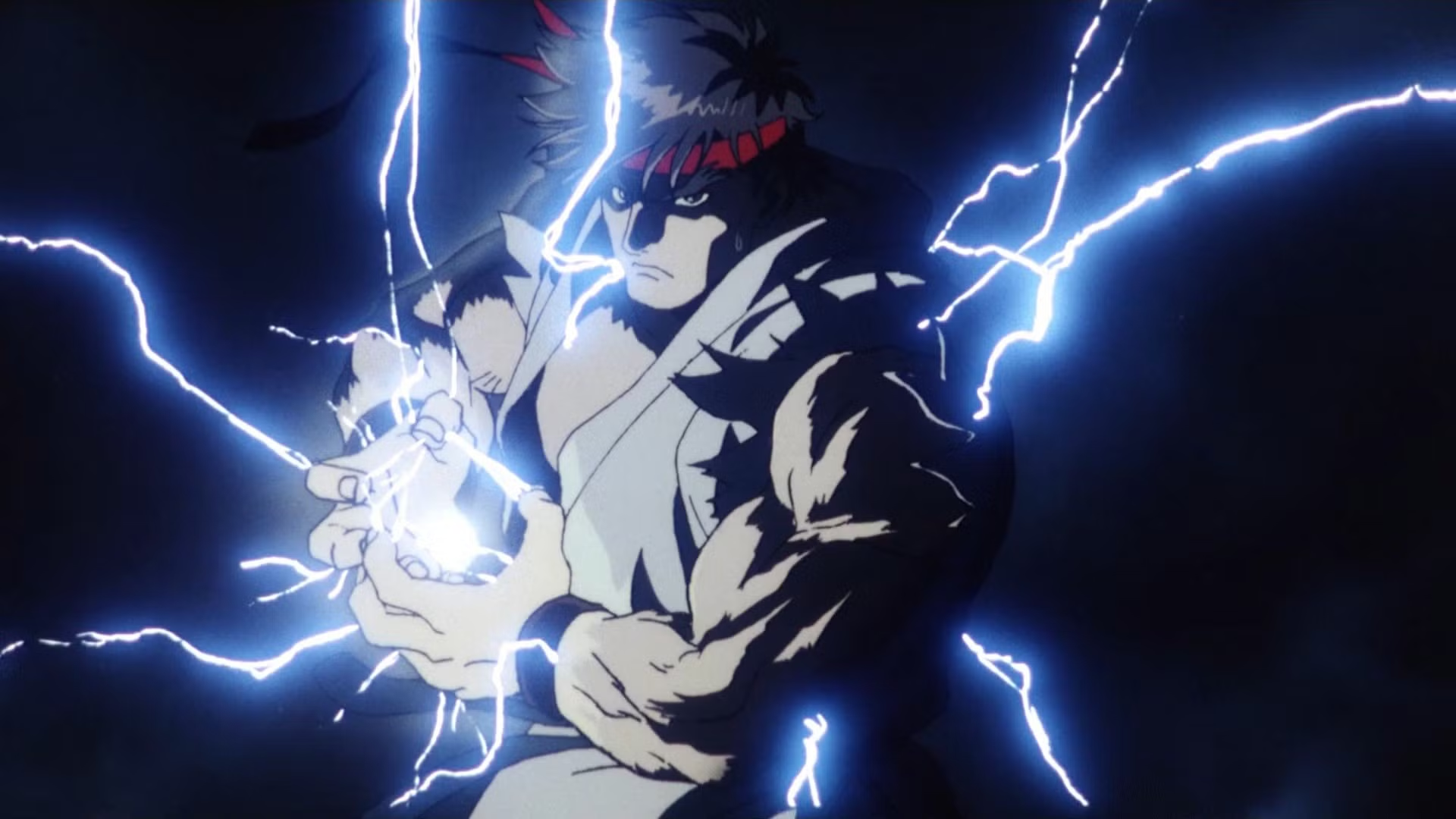
The SF2 anime doesn’t include any silly elements from the games in order to lampshade it and make a joke; it plays everything completely straight. If Ryu or Ken channels their energy into a ball and hurls a hadouken at their opponent, it is not a gag. If Dhalsim’s limbs stretch unnaturally far to smack his opponent, it is not played for laughs. Even Blanka, who only appears briefly for a quick fight with Zangief, is treated with deadly seriousness here. Blanka! The character who’s been thoroughly reduced to a goofball clown in the video games with every appearance since SF2.
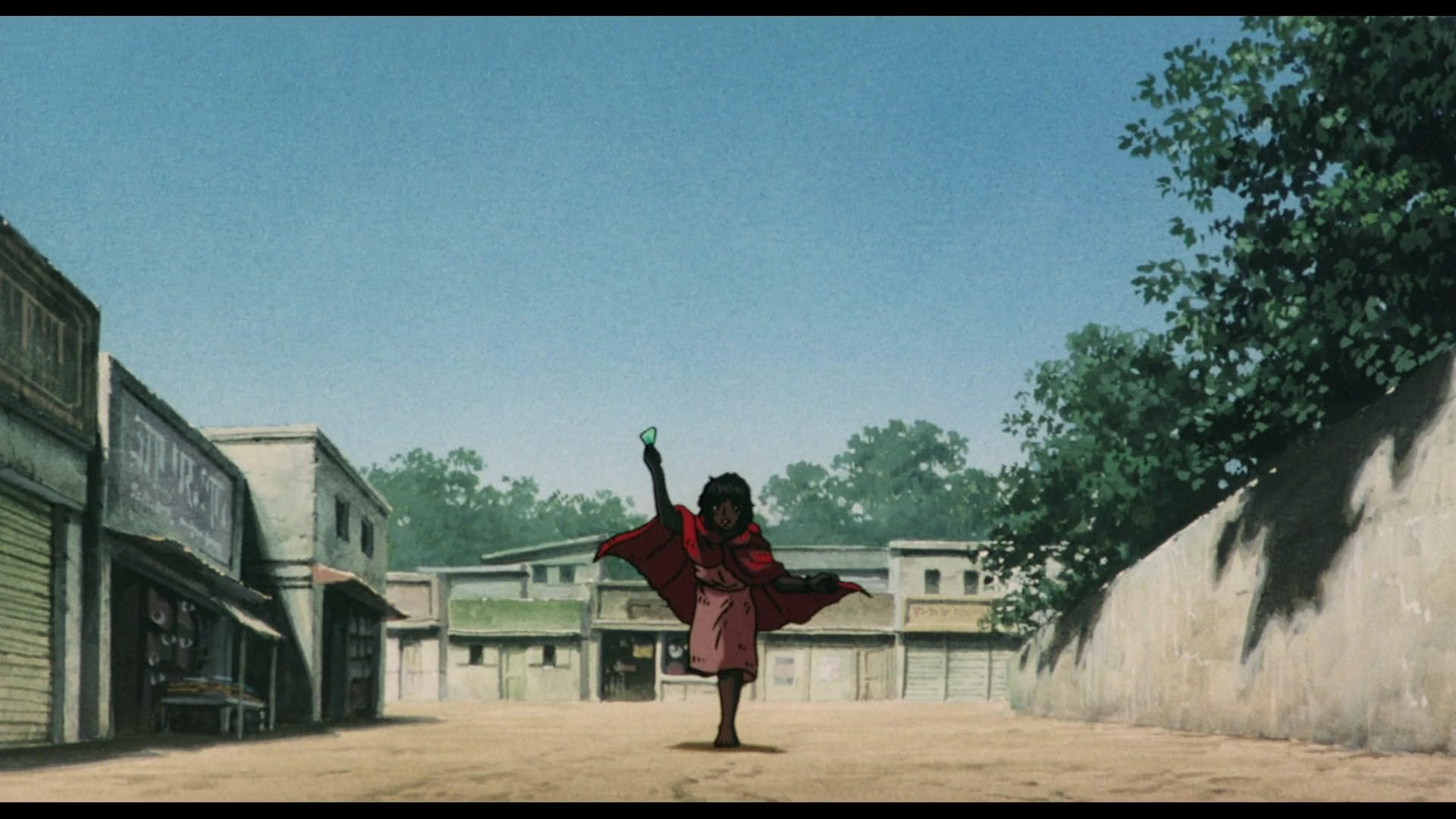
“There was change for you…”
Which isn’t to say that there’s no intentional humor in the film. In particular, E. Honda seems to be this movie’s comic relief character and he has more than a few goofy lines. However, he only appears twice in the film, and it’s not as if he’s portrayed as a complete joke. He’s still depicted as a legitimately strong fighter.
Speaking of taking the game seriously, I think this is how video game movies ought to be made. Not necessarily with slavish reverence to the source material—especially if that’s not going cohere in the new medium—but with some genuine understanding of the game’s appeal and simple respect for the audience’s intelligence. It’s just weird how vanishingly rare this approach seems to be today. Especially for video game adaptations (and often for animation in general) the lazy refrain is that “the movie is for kids”, and therefore, it is intended to be stupid. Dumb stuff is what kids like, apparently. It’s a pathetic excuse for making a bad movie, but we hear it over and over.
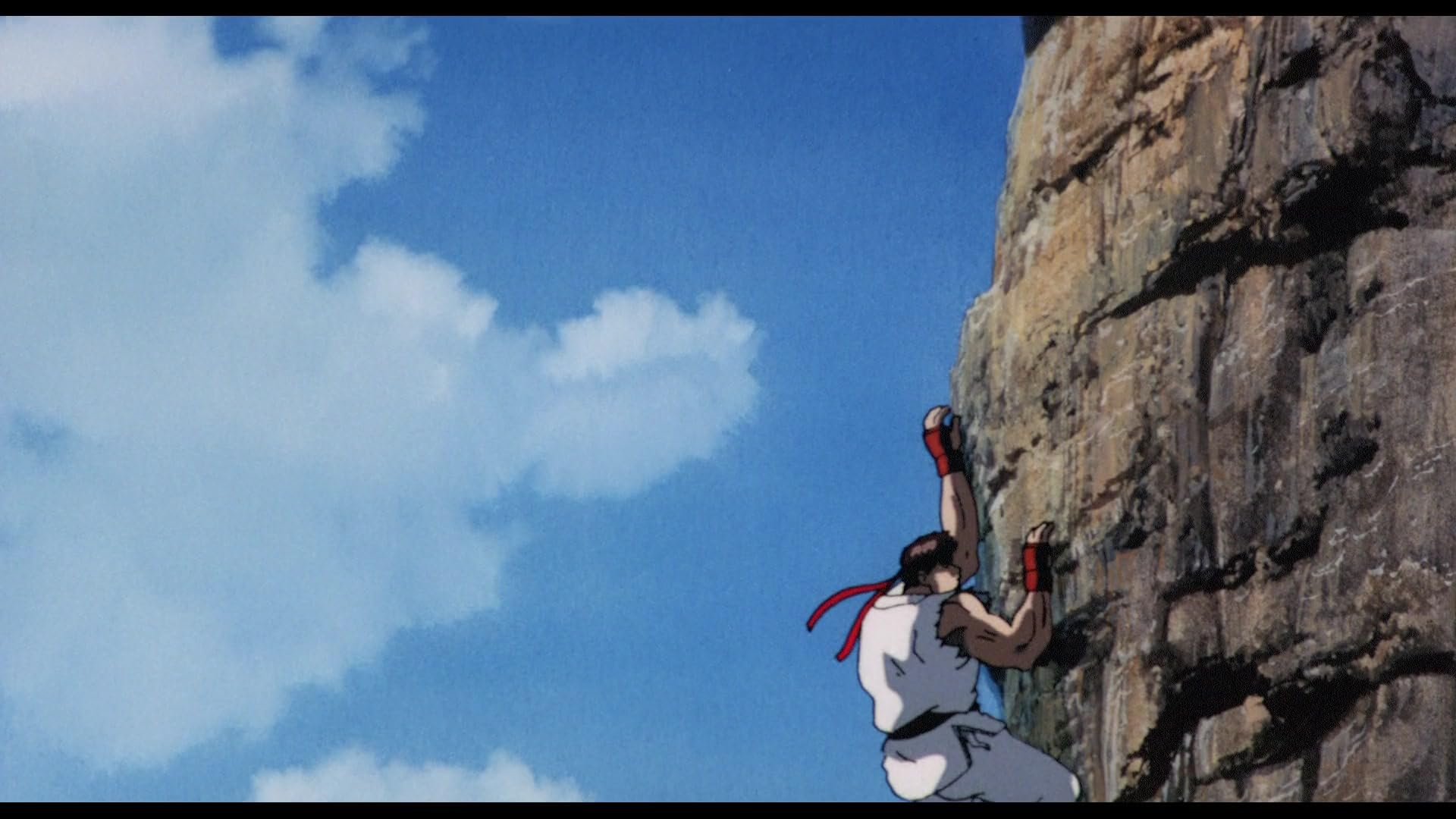
Some random thoughts:
Ryu’s fighting potential is listed as being “3620”. Man, you’ve gotta love arbitrary (and dubious) “power levels” in anime.
Fei Long is voiced by Bryan Cranston here, long before he was in Breaking Bad, even before he was in Malcolm in the Middle. And he’s really good too! Such a great voice.
This movie opts to call the crime organization “Shadowlaw” instead of pronouncing it “Shadoloo”. It’s a made-up name anyway, so either pronunciation is fine by me.
The highway signs when Ken is driving in Seattle actually mention 520 and 405, plus Redmond and Seattle, which is a level of local accuracy I was not expecting. Especially when the movie also manages to refer to Lake Washington as “Washington Lake”.
Ryu and Ken’s dojo is listed in Shadoloo’s files as “Gourinji”. This sounds to me like it’s the “gou” from Goutetsu (轟), the “rin” from Shorinji Kempo/Shaolin Kung Fu (林), and “ji” meaning temple (寺). The meaning of Gourinji (轟林寺) would probably translate to something like “Roaring Grove Temple”. And while I don’t think the dojo Ryu and Ken trained at was ever given a canonical name, this does have a nice ring to it.
In the Las Vegas scene, I love how Balrog is just bursting out of his business suit. It’s also pretty funny that he uses the tiniest little cellphone.
There is a scene with a brief death fake-out involving Guile, Chun-Li, and a bedsheet. In this case, Chun-Li is playing dead, lying still with a sheet over her body, until she surprises Guile by pulling off the sheet and sitting up, alive and well. It’s just funny how this moment mirrors a scene in the live-action Street Fighter film released the same year. A strange coincidence.
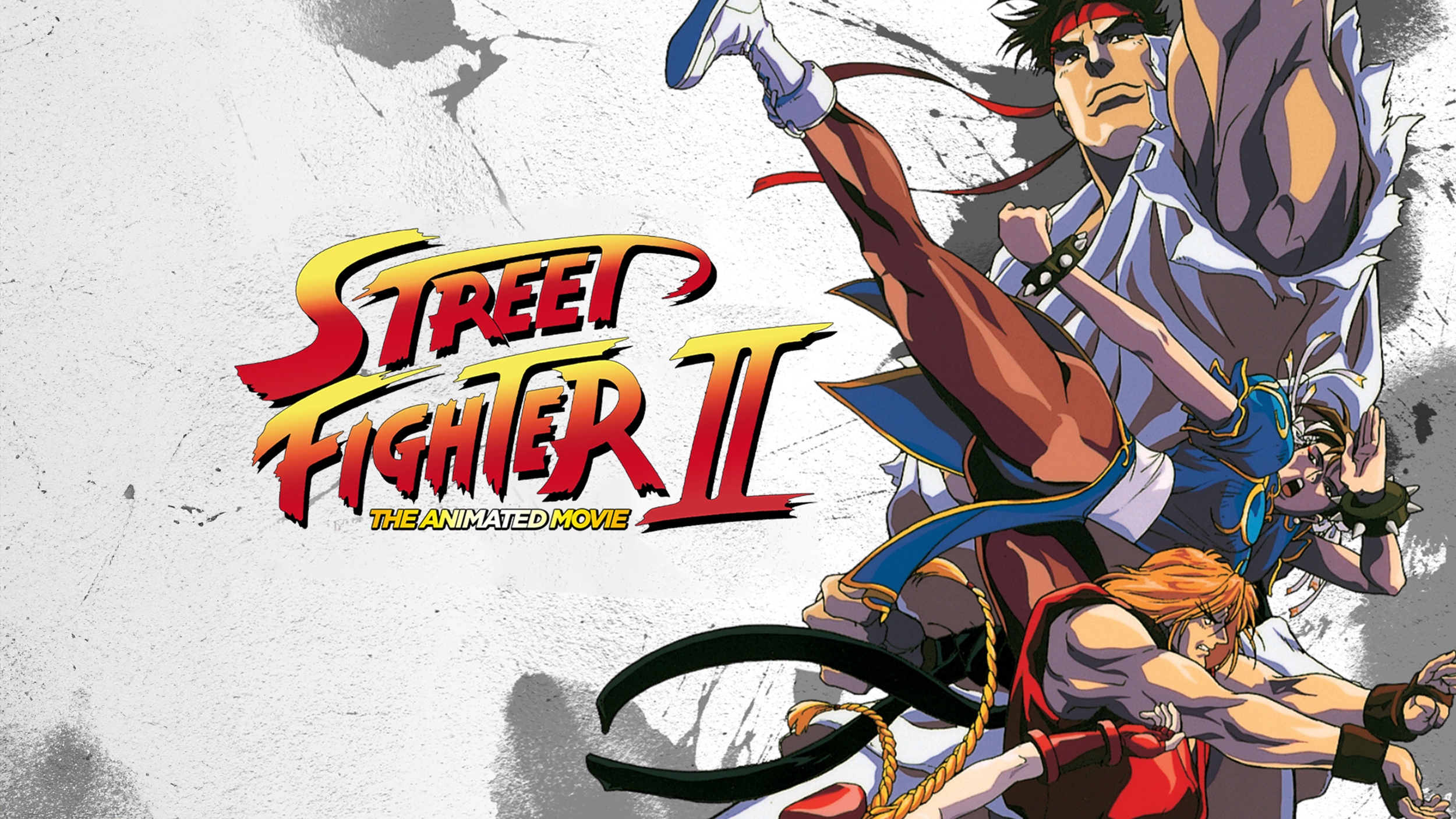
Ok, it must be obvious at this point that I love Street Fighter II: The Animated Movie. This one is definitely in my Top 5 favorite movies of all time. In fact, it’s often my No.1 favorite, depending on the day. It’s got all my favorite things. It’s a 90’s anime, it’s a martial arts movie, it’s got a little sci-fi, it’s got a touch of rivalry with a heaping helping of bromance, and—perhaps most importantly—it’s a video game adaption that takes its premise seriously. This movie is the gold standard by which all other video game movies should be judged. And to this day, all of them have paled in comparison to this masterpiece.